Culture · Culinary Journeys Through Vietnam
Vietnamese cuisine is a living expression of the country’s landscapes, history and cultural identity. Every dish carries the character of a place, a way of working with local ingredients, and knowledge passed from one generation to the next.
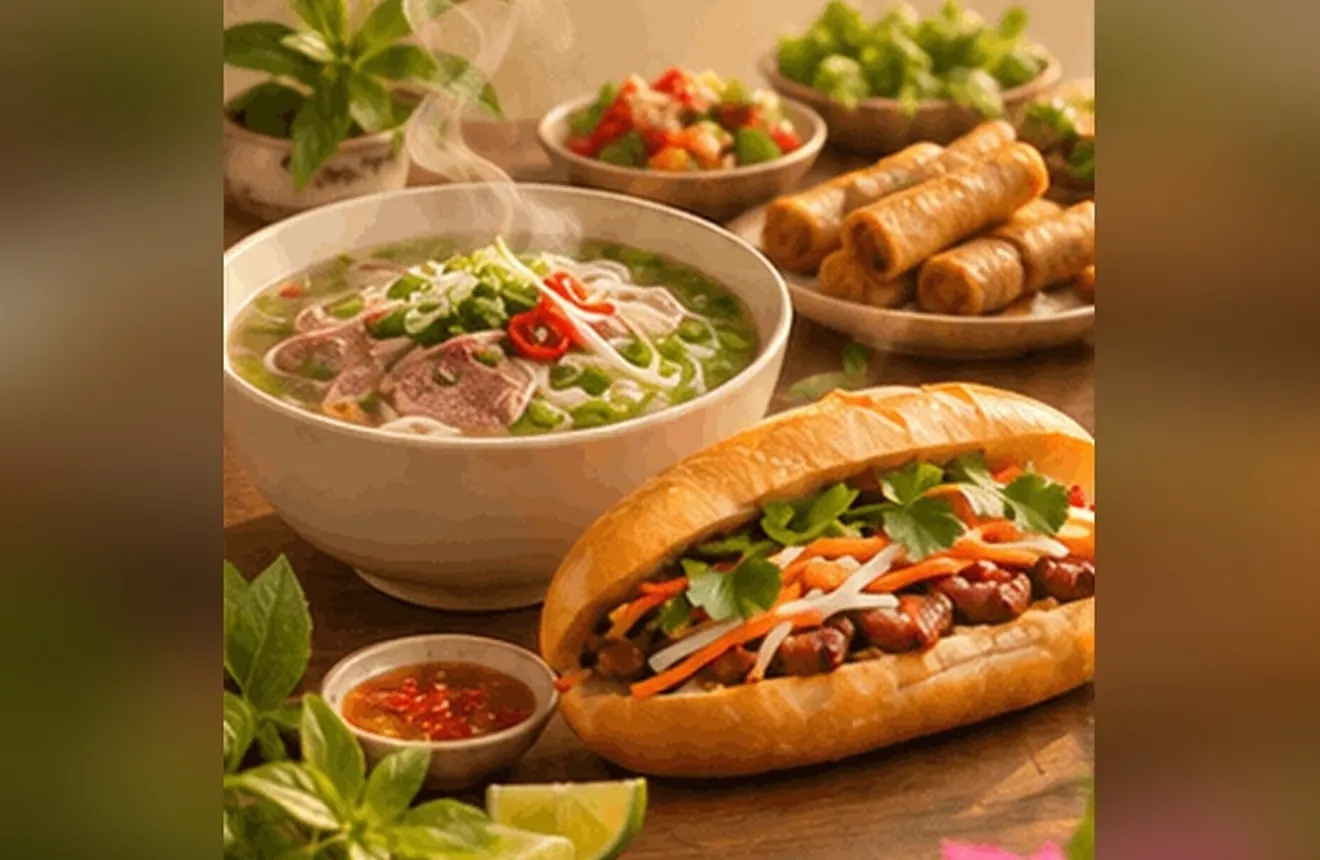
Where Nature Becomes Culture
Vietnamese culture lives not only in historic sites, festivals and traditional music, but also at the family table. The Hue Monuments Complex, Hoi An Ancient Town, My Son Sanctuary and Hue court music are recognised expressions of Vietnamese heritage; the skills of selecting ingredients, preparing food and sharing meals are another part of the country’s identity.
Nature provides the produce, history brings different influences together, and generations of cooks turn familiar ingredients into distinctive flavours. From northern streets to the former imperial capital, the central coast and the Mekong Delta, food offers a memorable way to discover Vietnam.
Ten Dishes, Ten Stories of Culture
These ten dishes are not a ranking of the “best” Vietnamese food. They are ten windows onto the country’s culinary culture, where ingredients, techniques and everyday rituals each have a story to tell.
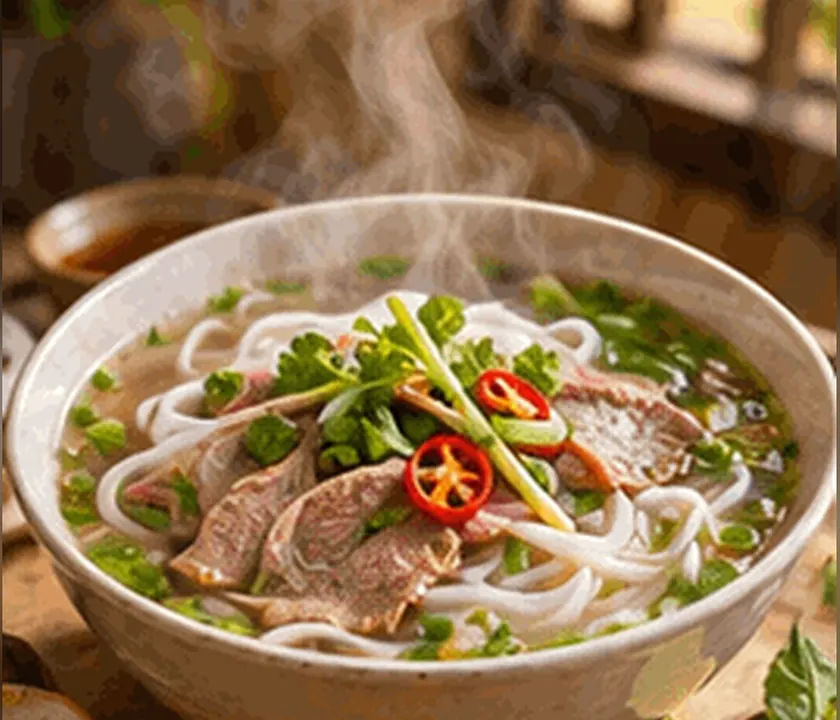
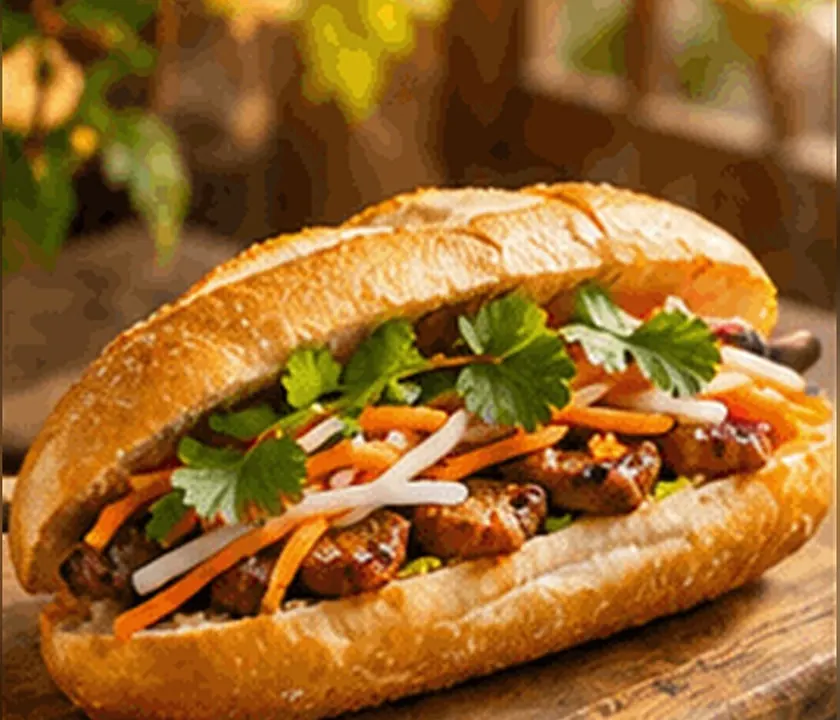
From pho broth simmered with patience to a colourful banh mi, Vietnamese food reveals a remarkable ability to absorb new influences while preserving a local identity.
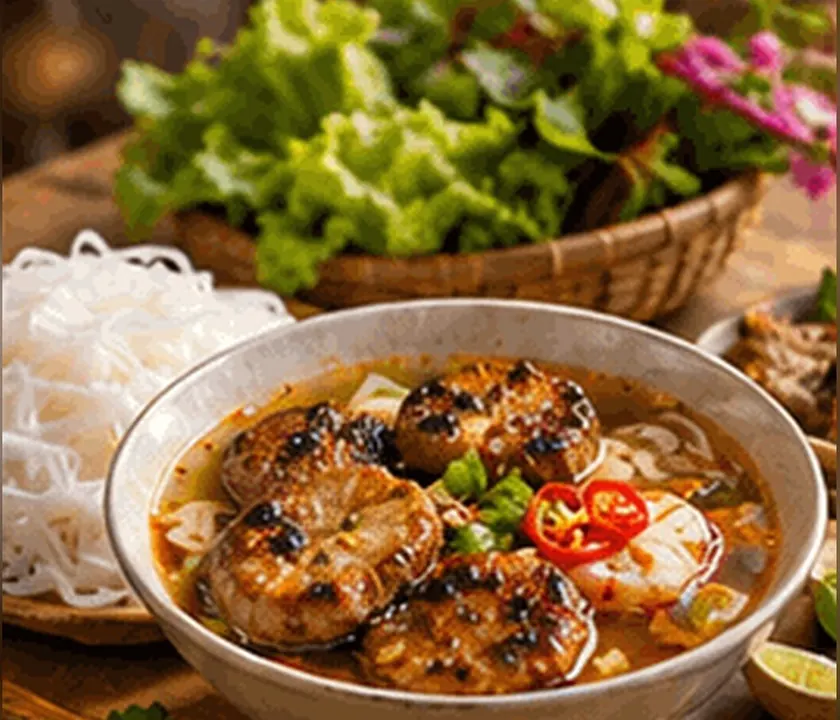
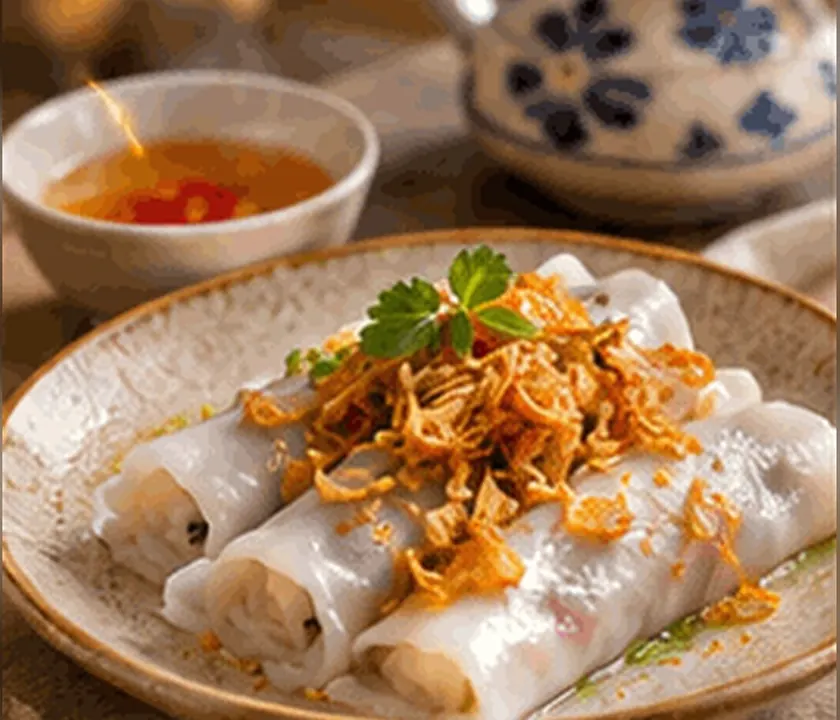
Some specialities are shaped by the smoke of a charcoal grill; others depend on the delicate touch of a rice-roll maker. Their value lies not only in taste, but in craftsmanship and shared memory.
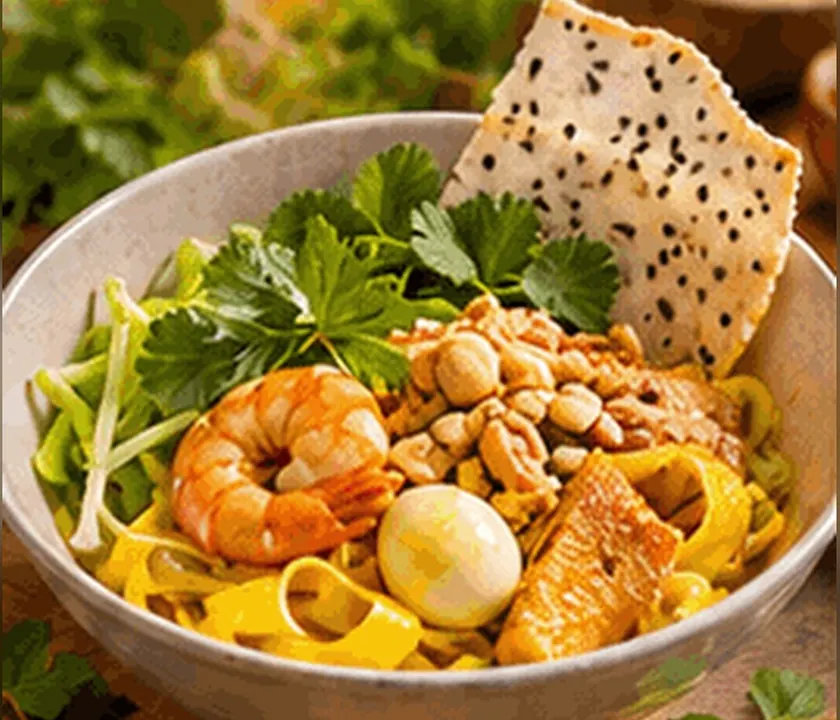
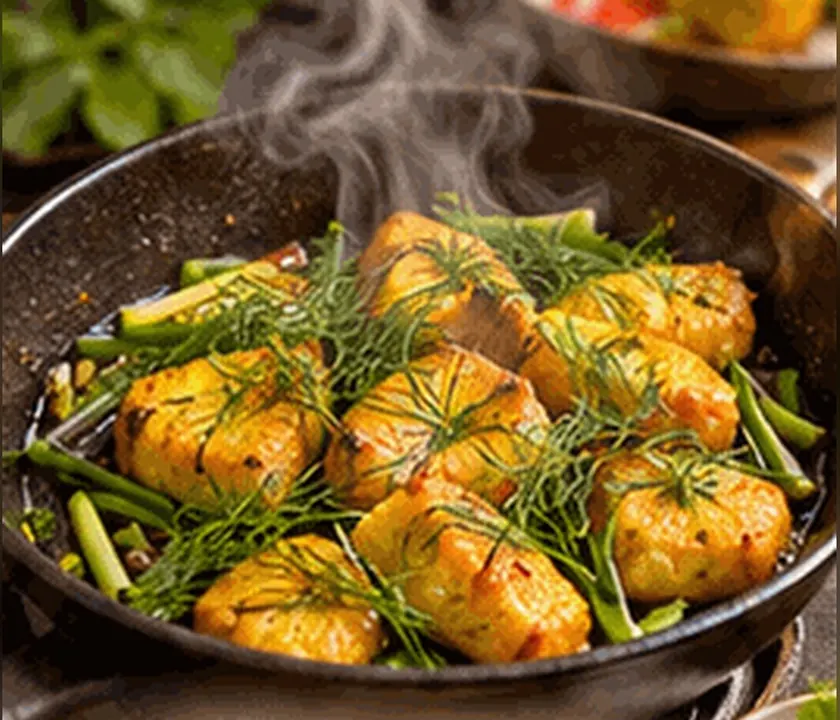
The bold flavours of central Vietnam and the fragrant traditions of Hanoi show just how diverse the country’s culinary landscape can be.
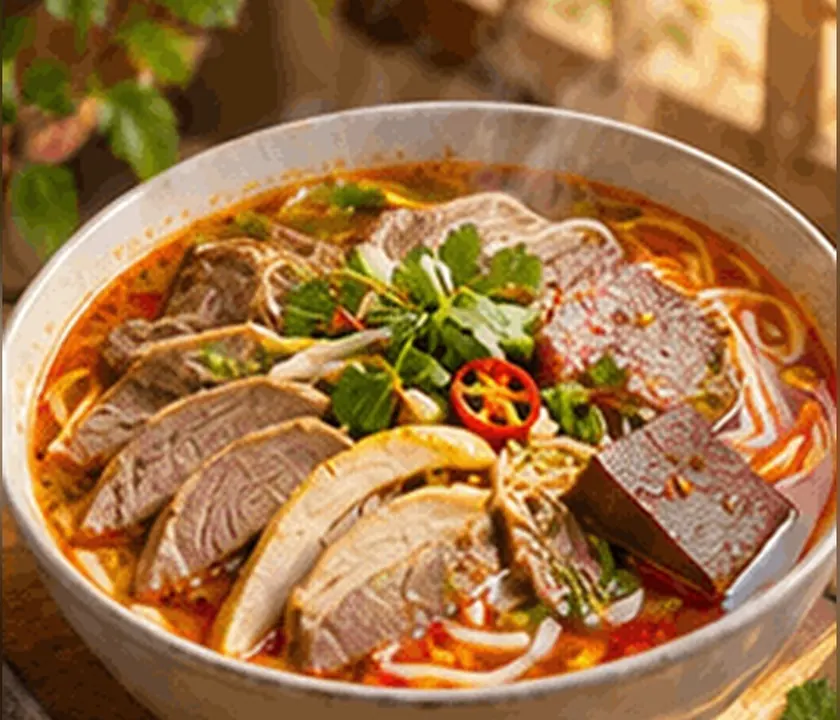
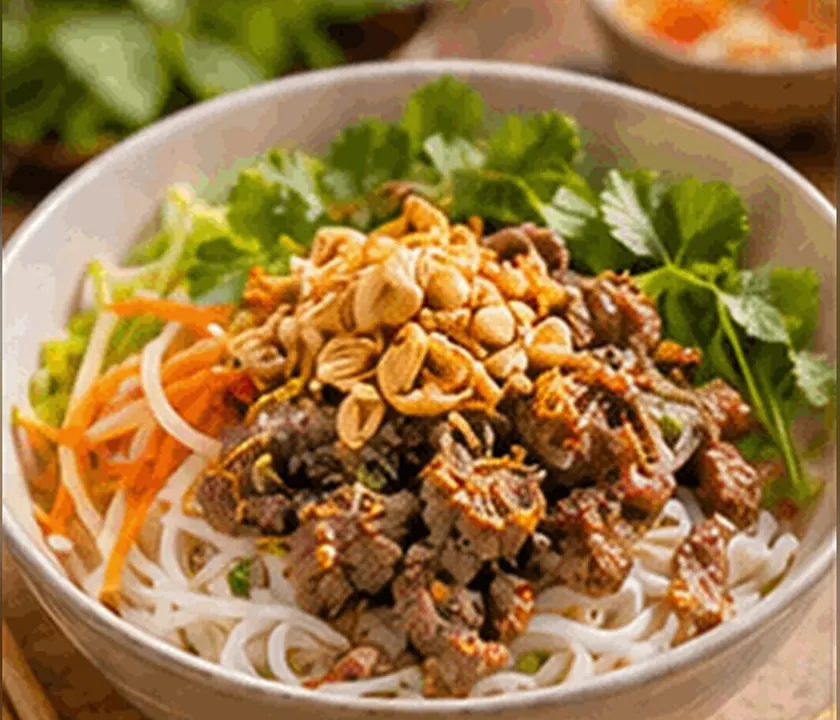
Even a bowl of noodles can tell the story of its home region through the choice of herbs, the fragrance of spices and the balance of sweet, sour, salty and spicy flavours.
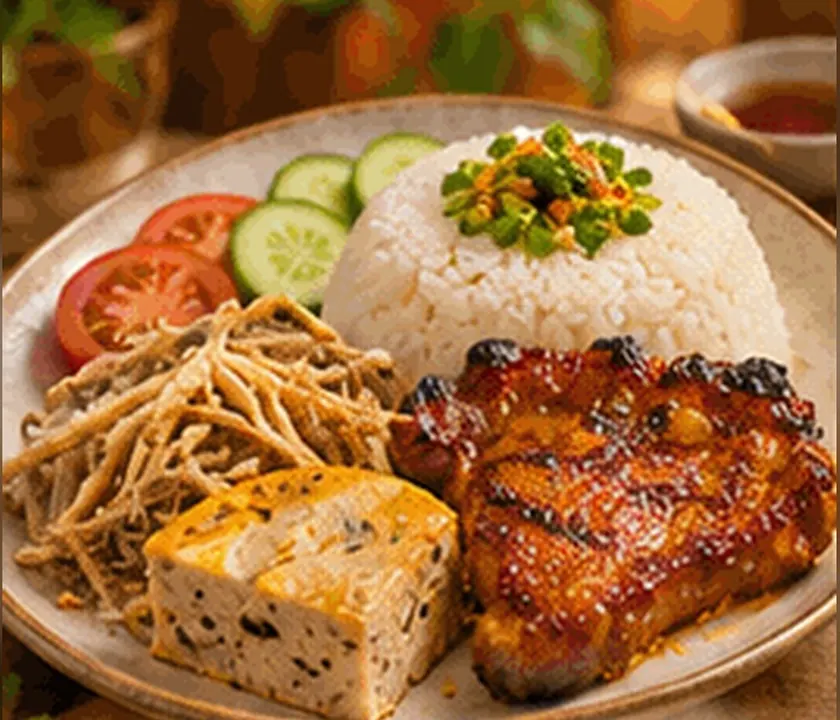
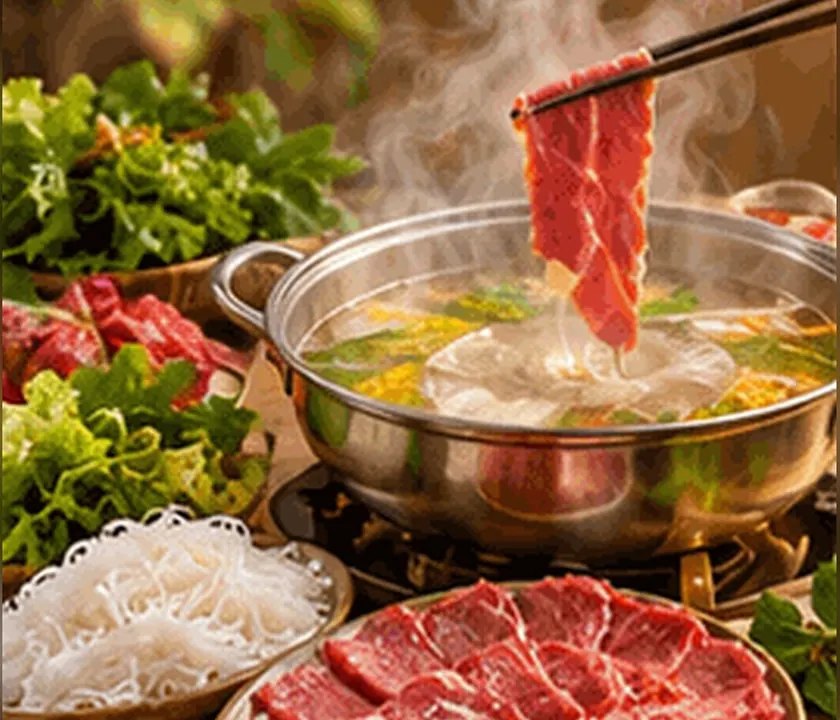
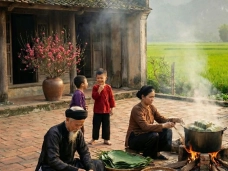
Food is also a way of coming together. From a plate of everyday broken rice to a shared vinegar hotpot, a meal brings family, friends and travellers around the same table.
When Vietnamese Flavours Travel the World
Pho, banh mi, bun cha, mi Quang and bun bo Hue have won admirers far beyond Vietnam. TasteAtlas and the Michelin Guide have also helped bring Vietnamese food to an international audience. But food rankings and restaurant selections are not the same as UNESCO inscription.
UNESCO’s intangible cultural heritage framework focuses on living practices, knowledge and skills passed on within communities. Any future nomination related to Vietnamese food would therefore need to document the people, craftsmanship, traditions and safeguarding measures behind the dish—not simply its popularity.
“A dish may become famous around the world, but the knowledge and cultural identity that give it life are what truly deserve to be preserved.”
From Regional Flavours to a Living Culinary Heritage
Every region and local community has distinctive culinary traditions shaped by its environment, history and way of life. Vietnam should develop a regional culinary heritage atlas documenting traditional dishes, their origins, local ingredients, preparation techniques and the people who pass this knowledge down. Such a resource could support research, education and responsible cultural tourism.
Introducing Vietnamese food is more than inviting visitors to enjoy a delicious dish. It is an invitation to discover the nature, history and spirit of Vietnam.