MOUNT U BO · NATURE LOOKBOOK
Where Nature Tells Its Own Story
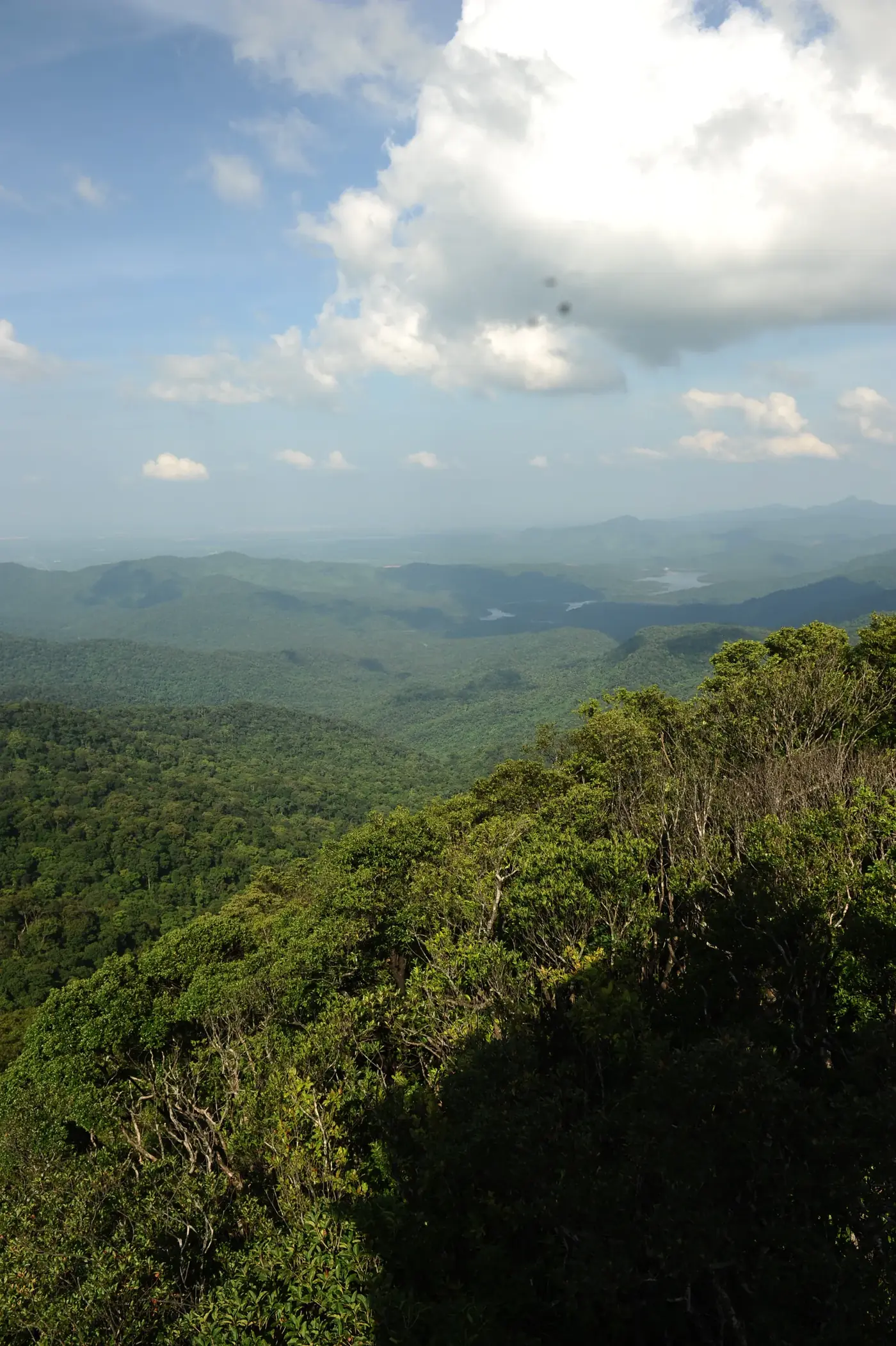
Deep in the Truong Son Mountains, U Bo unfolds through forested peaks, drifting mist and flowing water. Beyond the beauty of the landscape lies a living world of species quietly surviving, adapting and depending on one another.
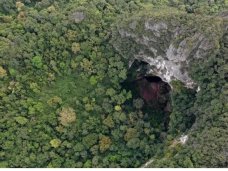
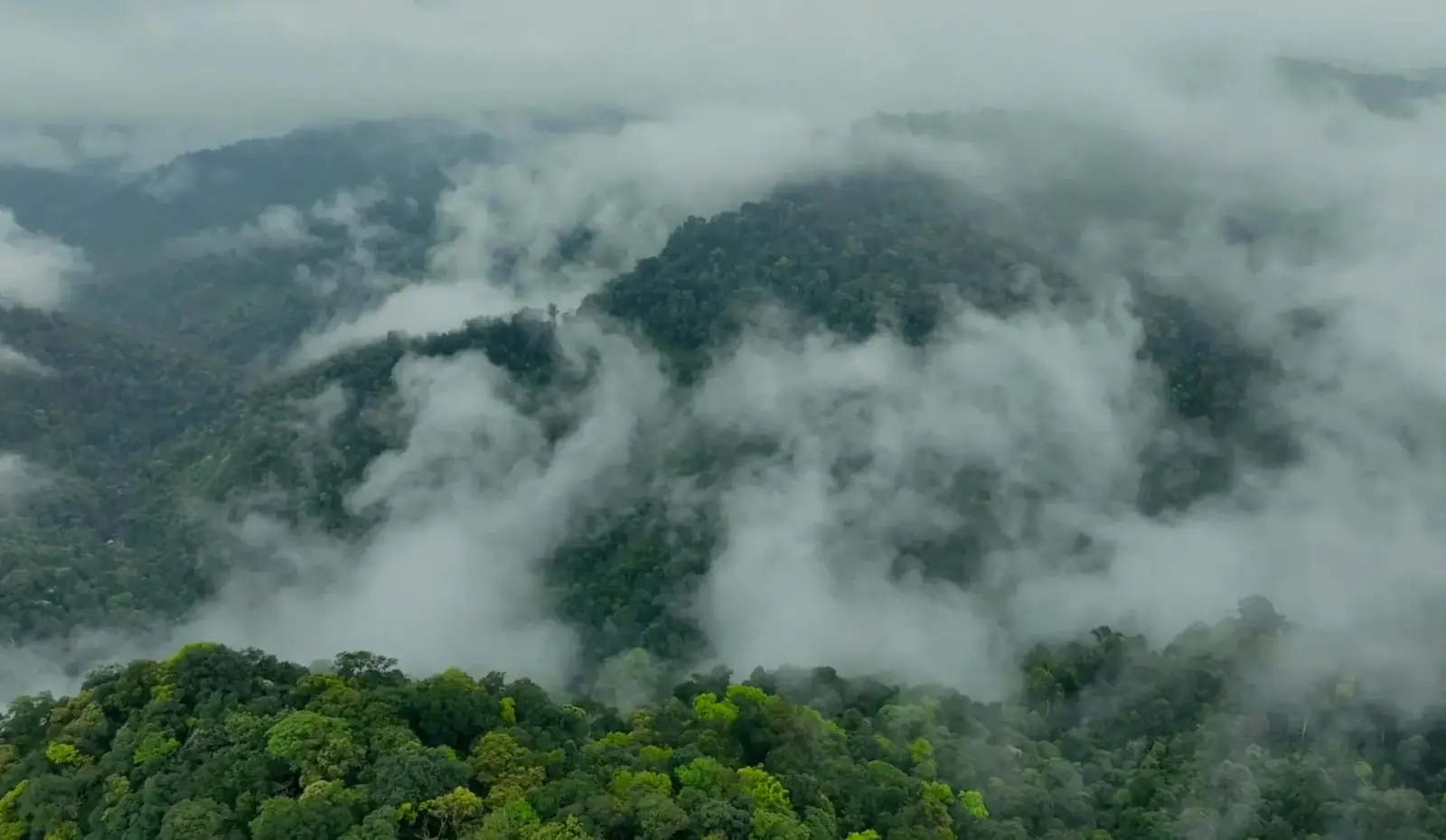
At approximately 1,009 metres above sea level, U Bo has the characteristics of a tropical montane forest environment: high humidity, seasonal variations in climate, and landscapes shaped by differences in terrain and elevation.
In the morning, mist threads through the canopy and settles softly over the mountainsides. As sunlight breaks through, the forest reveals its layers of leaves, trunks and understorey vegetation. After rain, damp earth, moss-covered stones and droplets resting on foliage lend the woodland its own quiet rhythm.
The deeper value of U Bo lies not only in its scenery, but in the life that persists, changes and renews itself throughout the forest.
U Bo Forest – A Home for Countless Species
A forest is a complex ecosystem in which many forms of life coexist and interact. Tall trees reach towards the light, smaller plants adapt to the shade, and mosses, ferns, fungi and microorganisms help break down organic matter and return nutrients to the soil.
Every Forest Layer Supports Life
The canopy provides food, shelter and pathways for birds and mammals. On the forest floor, leaf litter supports insects and other decomposers. Tree hollows, decaying wood, rock crevices and small streams may also shelter life forms that often go unnoticed.
In nature, nothing exists entirely in isolation. Green plants absorb CO₂ and produce organic matter through photosynthesis. Animals disperse seeds, pollinate plants and influence populations of other organisms. Fungi and microorganisms decompose organic material, returning nutrients to the soil.
Together, these processes form a continuous cycle that helps sustain the forest and its capacity to recover.
Wildlife – Inhabitants of the Great Forest
The forests of the Truong Son Mountains provide habitats for a wide range of wildlife, including primates, birds, reptiles, amphibians and insects with important ecological roles. Gibbons calling through the canopy, birdsong among the branches and animal tracks on damp ground all hint at the rich activity of forest life.
Species That Depend on the Canopy
Tree-dwelling primates depend on an interconnected canopy to move, feed and maintain their populations. When habitats become fragmented, these essential activities may be disrupted. Protecting wildlife therefore begins with protecting the places in which it lives.
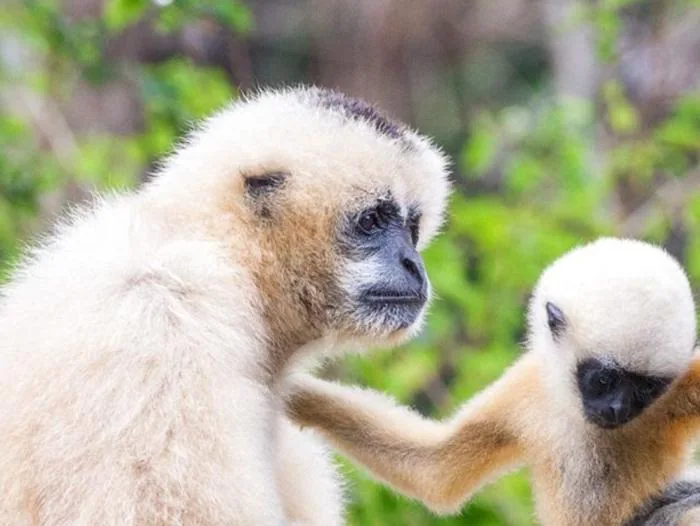
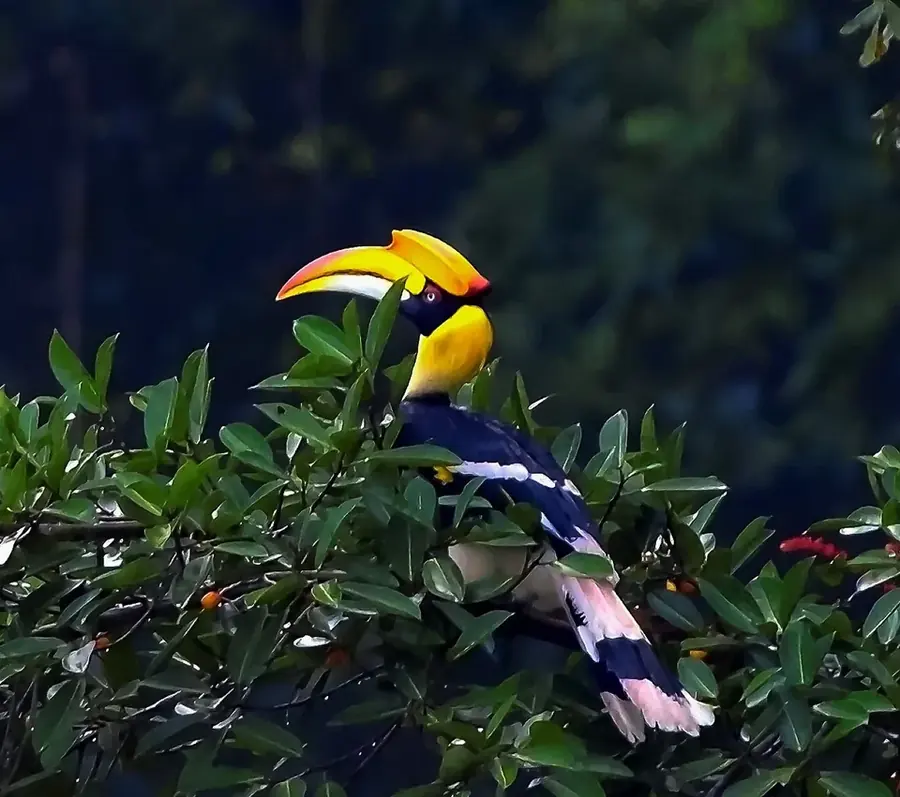
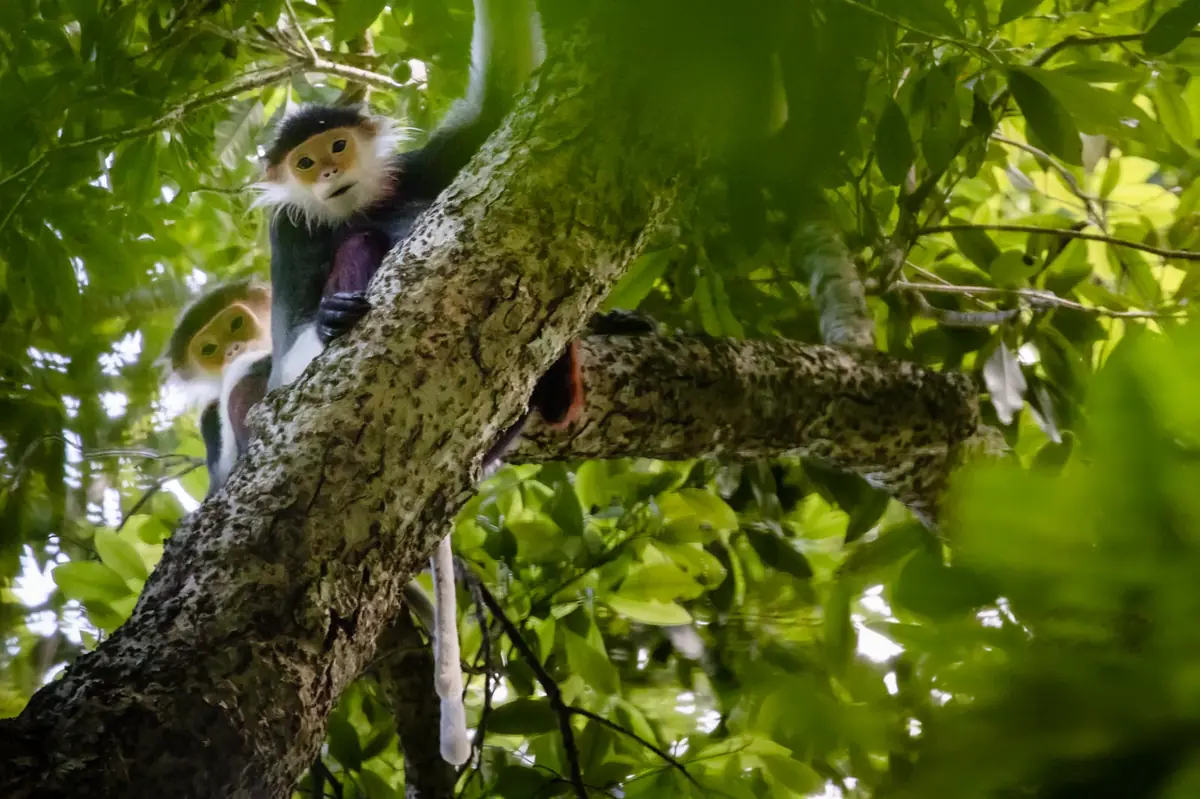
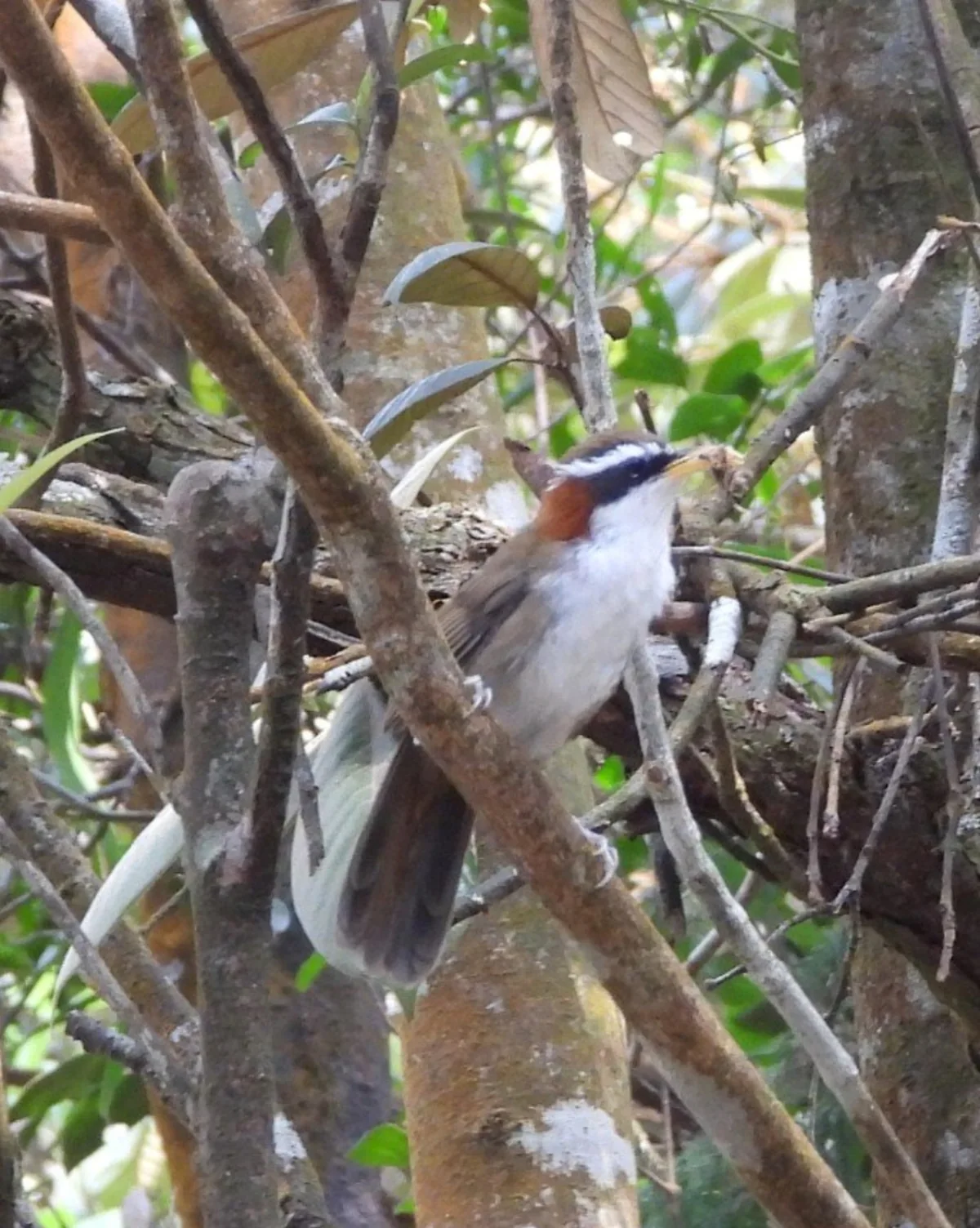
The richness of wildlife is measured not simply by the number of species, but also by habitat quality, connections between populations and the extent of human disturbance.
Water, Soil and Climate – The Foundations of Life
Rain replenishes soil moisture, sustains vegetation and contributes to streams and other water flows. The forest canopy reduces the direct impact of rainfall on the ground, while leaf litter and root systems encourage infiltration, retain moisture and help limit erosion.
The Microclimate Beneath the Canopy
Forests help regulate local microclimates. Beneath the canopy, light, temperature, humidity and wind conditions differ from those in open areas. These variations create suitable habitats for many kinds of organisms.
When a forest deteriorates, more is lost than trees alone. Ecological relationships developed over time can also be disturbed, affecting water retention, soil protection, wildlife habitats and food sources.
Nature Is Always Changing
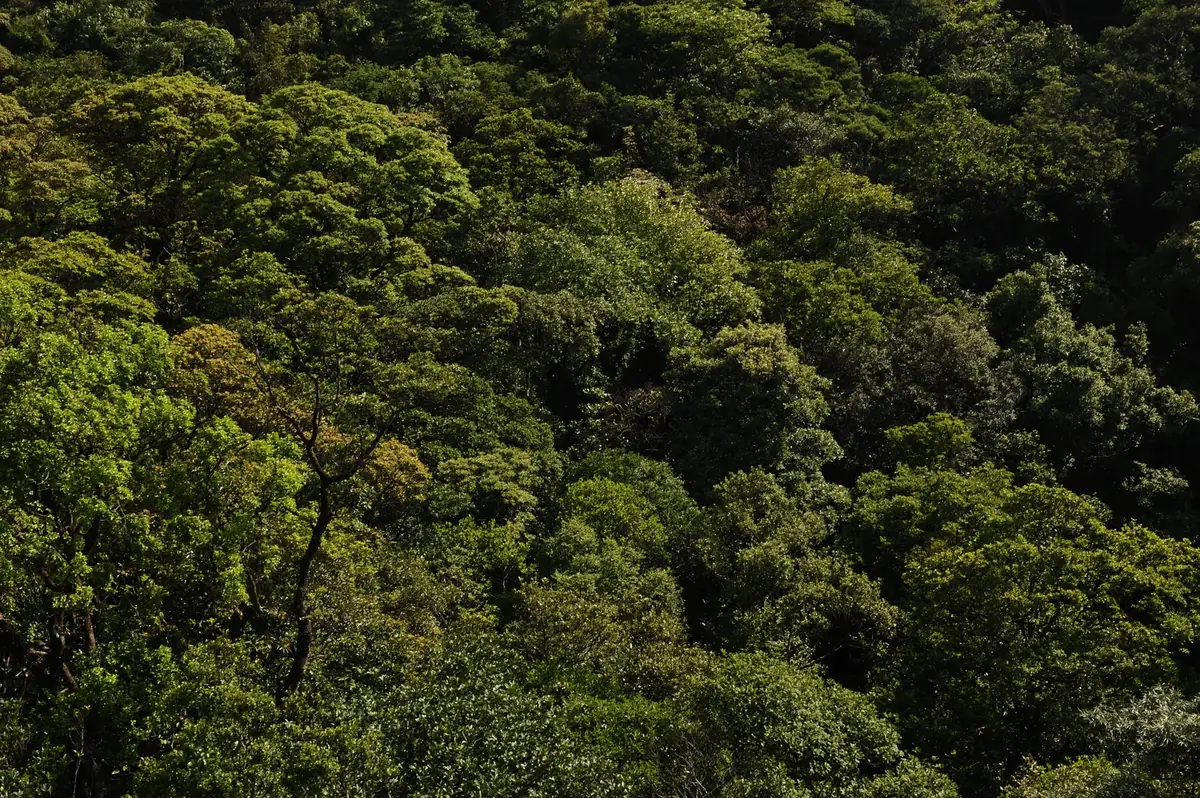
A forest is never a static landscape. Growth, competition, regeneration and decomposition take place every day.
When an old tree falls, it opens a space for sunlight to reach the forest floor. Seeds may germinate and young trees begin to grow. Meanwhile, the decaying trunk becomes a home for fungi, insects and other organisms.
Regeneration Gives the Forest Its Resilience
This natural succession of generations helps create the forest’s varied structure. Life is found not only in ancient trees but also in tiny seedlings emerging from the leaf litter.
EXPLORE RESPONSIBLY
Explore to Understand, Understand to Protect
Nature Experiences Begin with Knowledge
A walk through the forest can reveal the relationships between plants, animals, geology, water and the wider ecosystem. The value of such an experience lies not in how many places we visit, but in what we learn and the responsibility we carry home.
Visits to natural areas should respect ecological carrying capacity, protect sensitive habitats and minimise noise, litter and disturbance to wildlife. Monitoring vegetation change, water quality and ecologically important species is also essential to long-term conservation.
Not every beautiful place needs more infrastructure, nor must every natural treasure become a tourism product. Some places deserve to remain undisturbed so that the forest can continue to function according to its own rhythms.
MOUNT U BO · NATURE AND LIFE
U Bo – Preserving Life for Future Generations
The value of U Bo extends far beyond the present. Its forests, waters and living species are the result of long processes of formation, adaptation and evolution.
We may come to explore, study and appreciate the beauty of these mountains and forests. Yet our presence must always be accompanied by a responsibility to care for them.
A tree can disappear in moments, while a mature forest ecosystem takes a very long time to develop. U Bo is beautiful for its mountains, drifting clouds and deep green forests; its enduring value, however, lies in the life that continues within every canopy, stream and woodland clearing.
To preserve that life is to safeguard U Bo’s greatest natural treasure, for today and for generations to come.
Editorial note: Wildlife photographs illustrate the biodiversity of the wider Truong Son region.