







EXPLORE THE TRUONG SON MOUNTAINS · U BO NATURE
U Bo – A Journey into the Forests Above 1,000 Metres
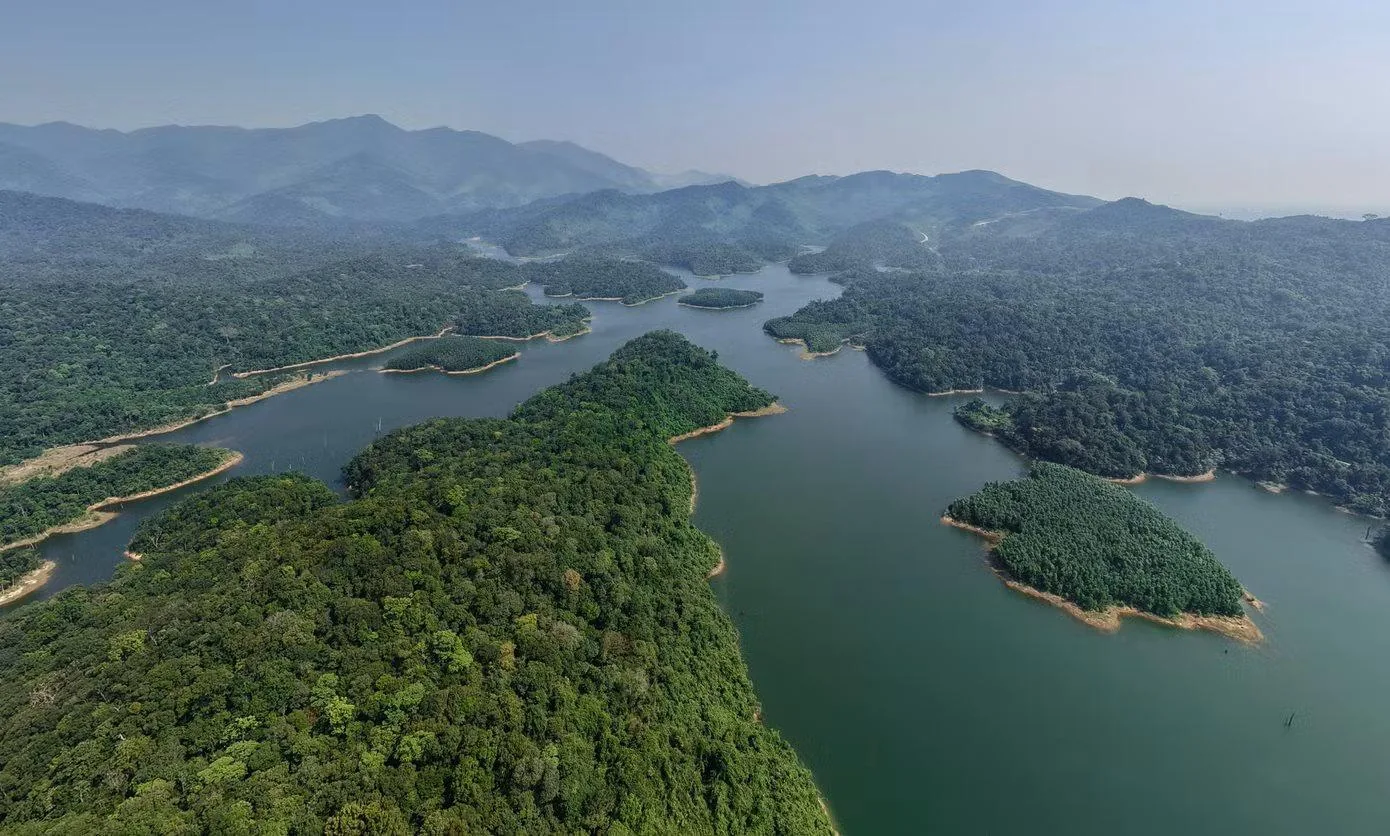
Not every mountain adventure needs to be extreme. U Bo draws visitors in with forest roads, drifting mist, pleasantly cool air and far-reaching views across the landscape of Quang Tri.
Rising to approximately 1,009 metres above sea level, U Bo is a summit in the Truong Son mountain range. The journey is about more than reaching a particular altitude: it is an opportunity to discover the natural world and the rhythms of the forest.
Where Is U Bo?
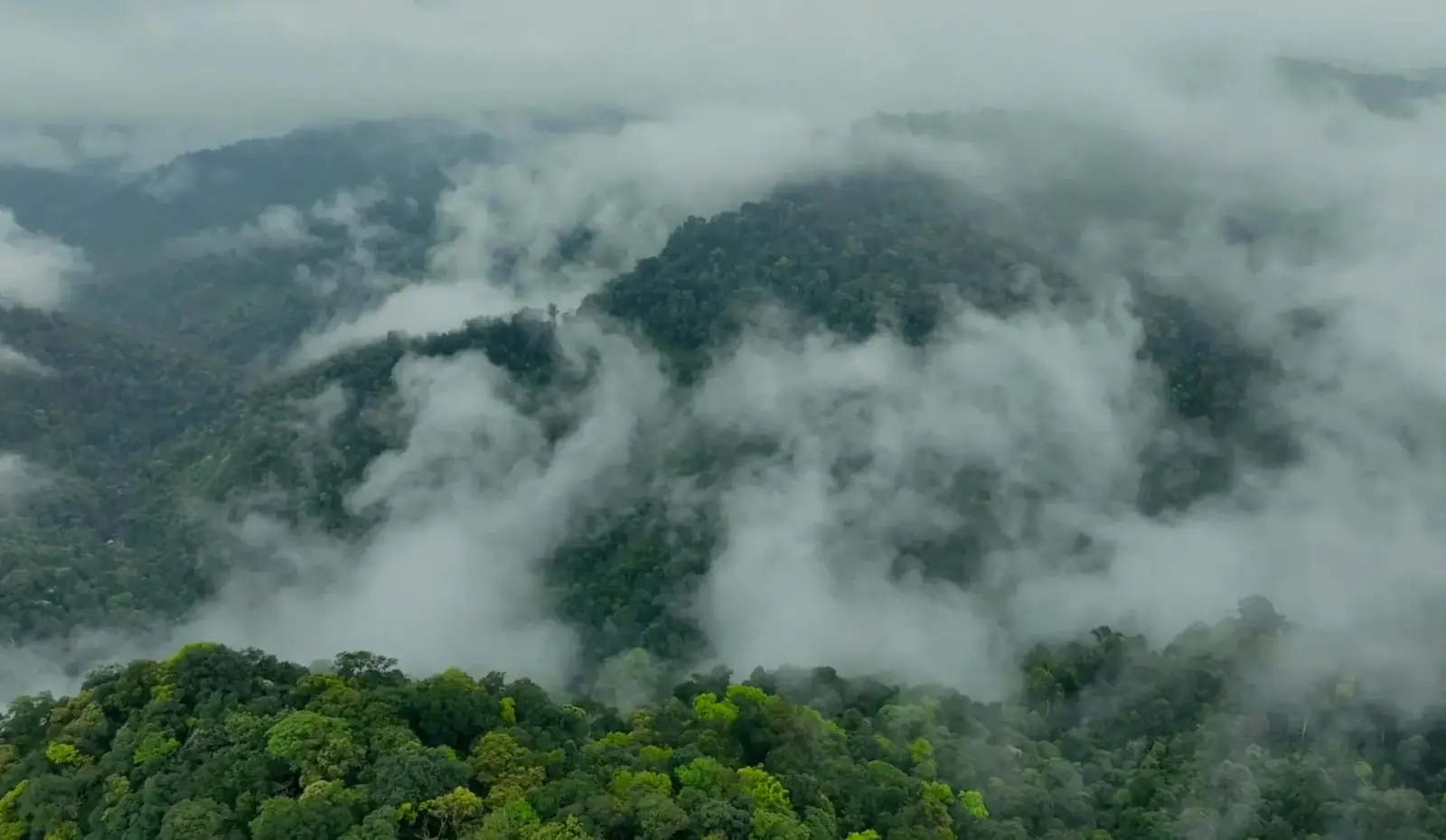
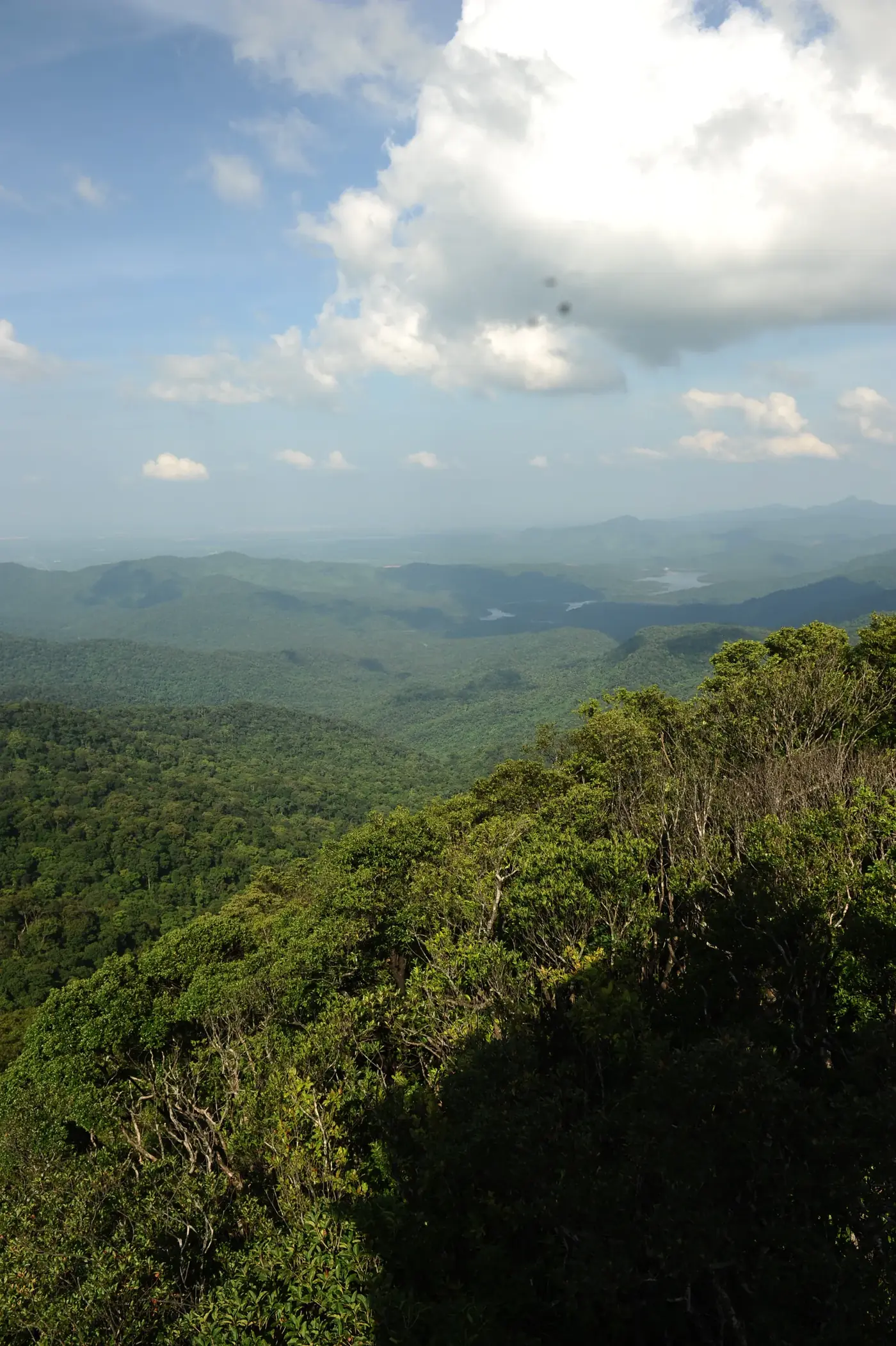
U Bo lies within the Truong Son mountain range, in the Ba Ren–U Bo area west of Dong Hoi. Under Vietnam’s current administrative boundaries, it is in Quang Tri Province, formerly Quang Binh Province. The summit rises to approximately 1,009 metres and is associated with the western branch of the Ho Chi Minh Road and the wider Phong Nha–Ke Bang landscape.
The name U Bo is linked to the shape of the mountain, which local people liken to the hump on a cow’s back. On clear days, favourable viewpoints can offer views towards the lowlands, Dong Hoi and the coast to the east.
How Do You Get to U Bo?
Via Road 20 (Quyet Thang) and Tra Ang
From Phong Nha, follow Road 20 (Quyet Thang) to the Tra Ang junction, then take the western branch of the Ho Chi Minh Road towards U Bo. Tourism descriptions put the distance from Tra Ang at around 40 kilometres. This is a mountain road with bends, gradients and sections of limited visibility.
Via Phu Quy – An Approach from the East
Another reported approach begins in the Phu Quy area (formerly the Viet Trung State Farm) and connects with roads towards U Bo. Road conditions and junctions may change, so check an up-to-date map and consult local authorities before travelling.
Transport: A high-clearance vehicle or motorcycle may be suitable for travellers experienced with mountain roads. Travel in daylight, avoid heavy rain and dense fog, and do not enter restricted forest tracks or roads under construction without permission.
What Makes the 1,000-Metre Summit Special?
From the mountain slopes, the landscape unfolds in layers: green forest nearby, ridges fading into the distance and valleys partly concealed by cloud. In favourable weather, views may extend towards the plains and the sea.
One of U Bo’s charms is its changing weather. A misty morning may give way to gentle sunshine, while the same viewpoint takes on a different character with every season.
Do more than take a photograph at the summit. Take time to look into the canopy, listen to the birds and notice how the mountain climate changes with altitude.
Nature at U Bo – Life in the Great Forest
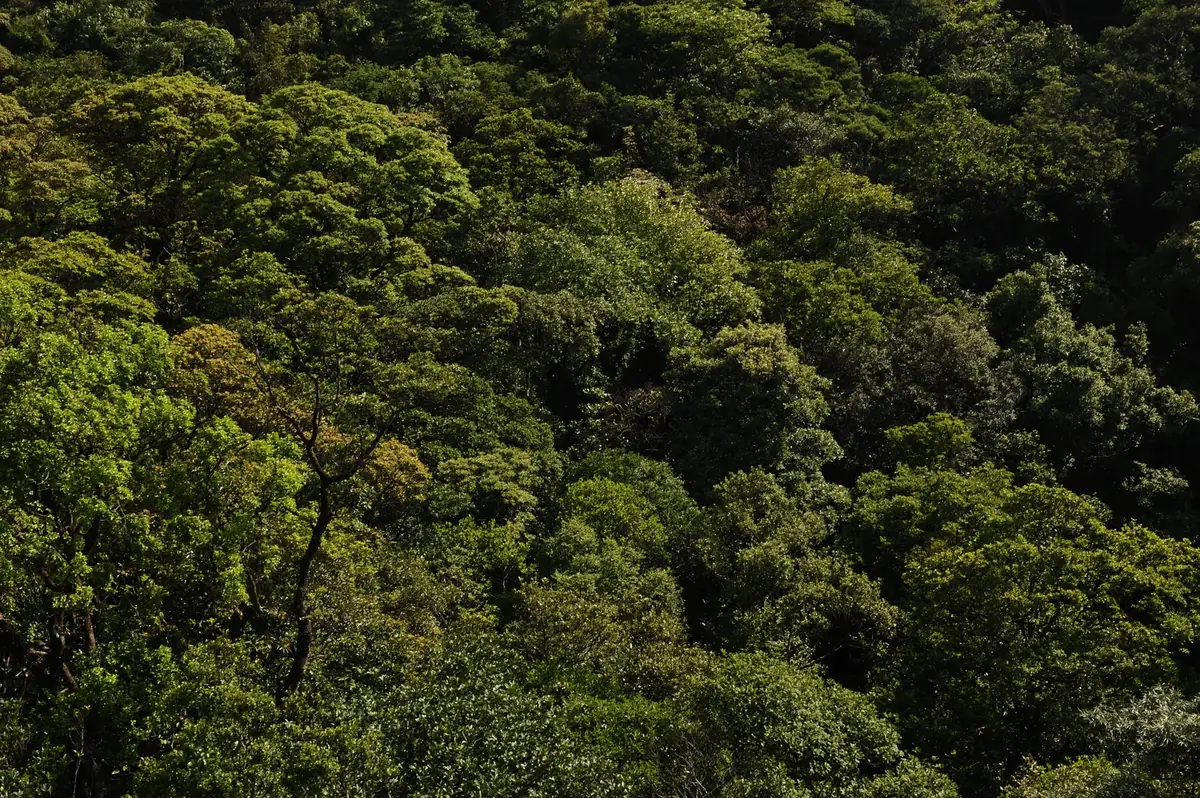
U Bo’s value extends far beyond its elevation. Its forests form part of the Truong Son ecological landscape, where mature trees, shrubs, ferns, mosses, fungi and wildlife coexist. Each forest layer provides a different habitat: the upper canopy receives sunlight, the understorey retains moisture, and fallen leaves help return nutrients to the soil.
Plants and Forest Vegetation
In the cool, humid environment, ferns, epiphytes and plants adapted to montane conditions contribute to the forest’s complex structure. Bamboo-leaved conifers are of particular interest when studying the flora of the Truong Son Mountains; confirming their precise species identity and distribution at U Bo requires field surveys.
The Forest’s Wildlife
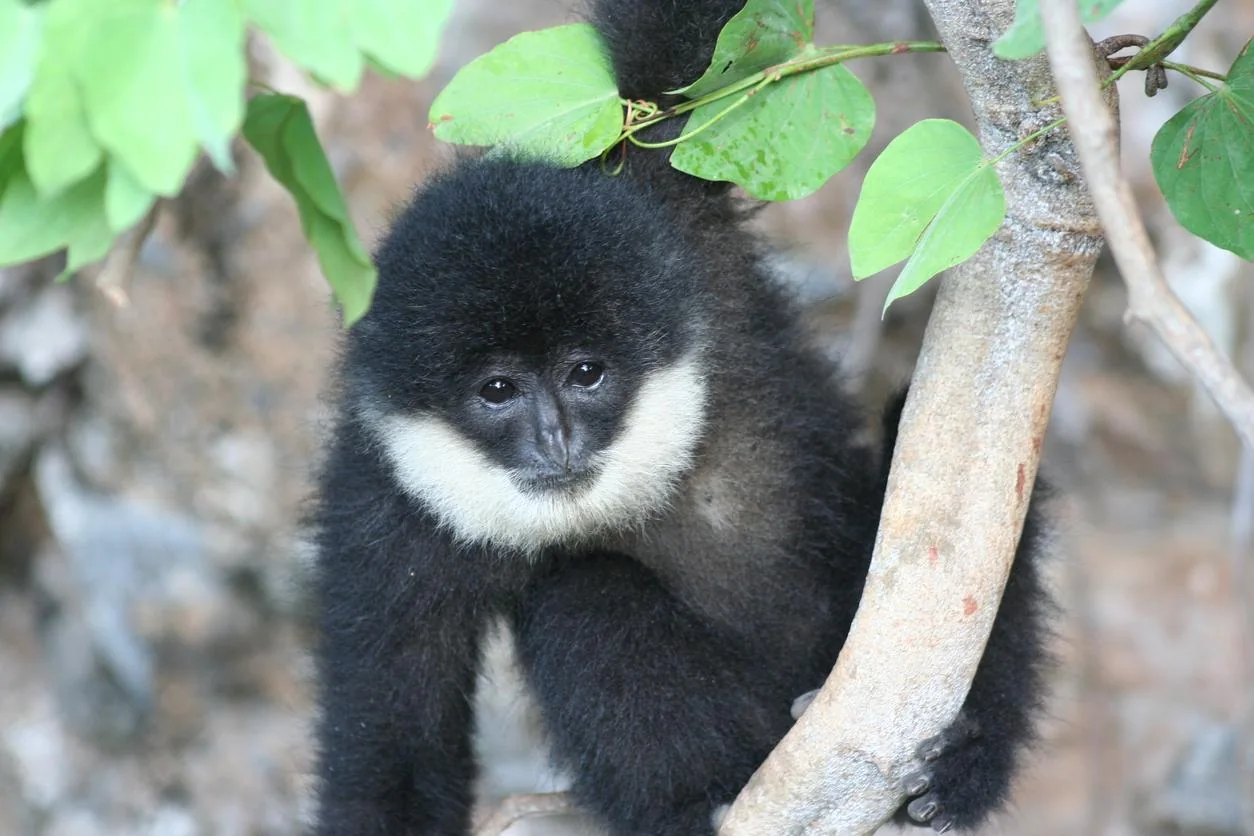
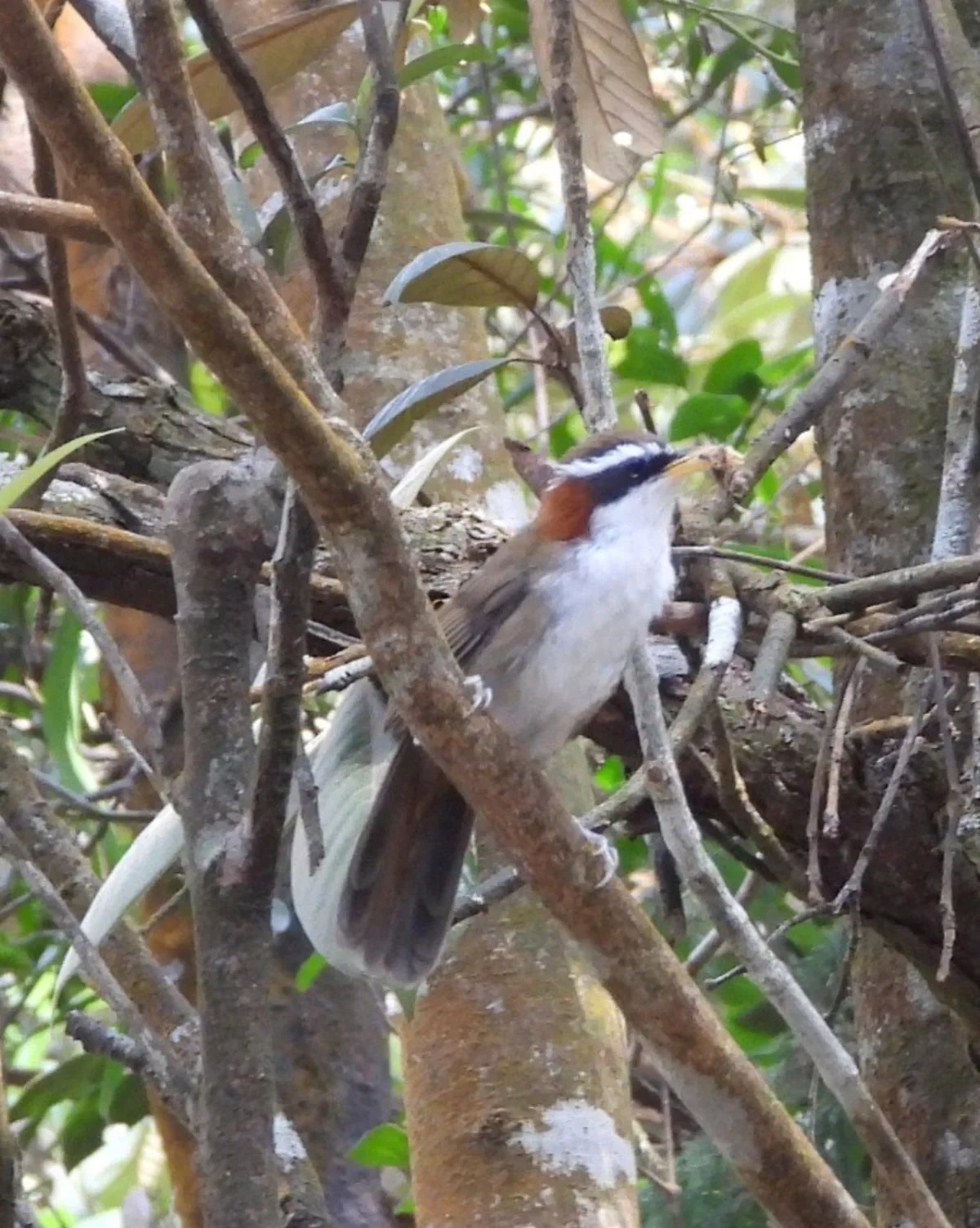
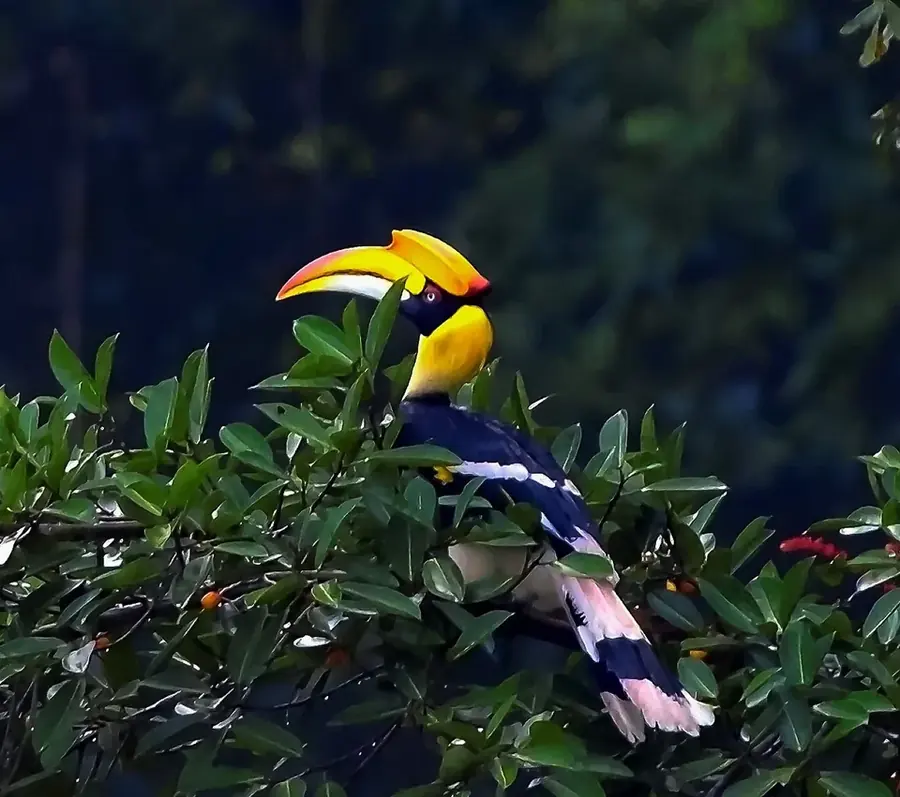
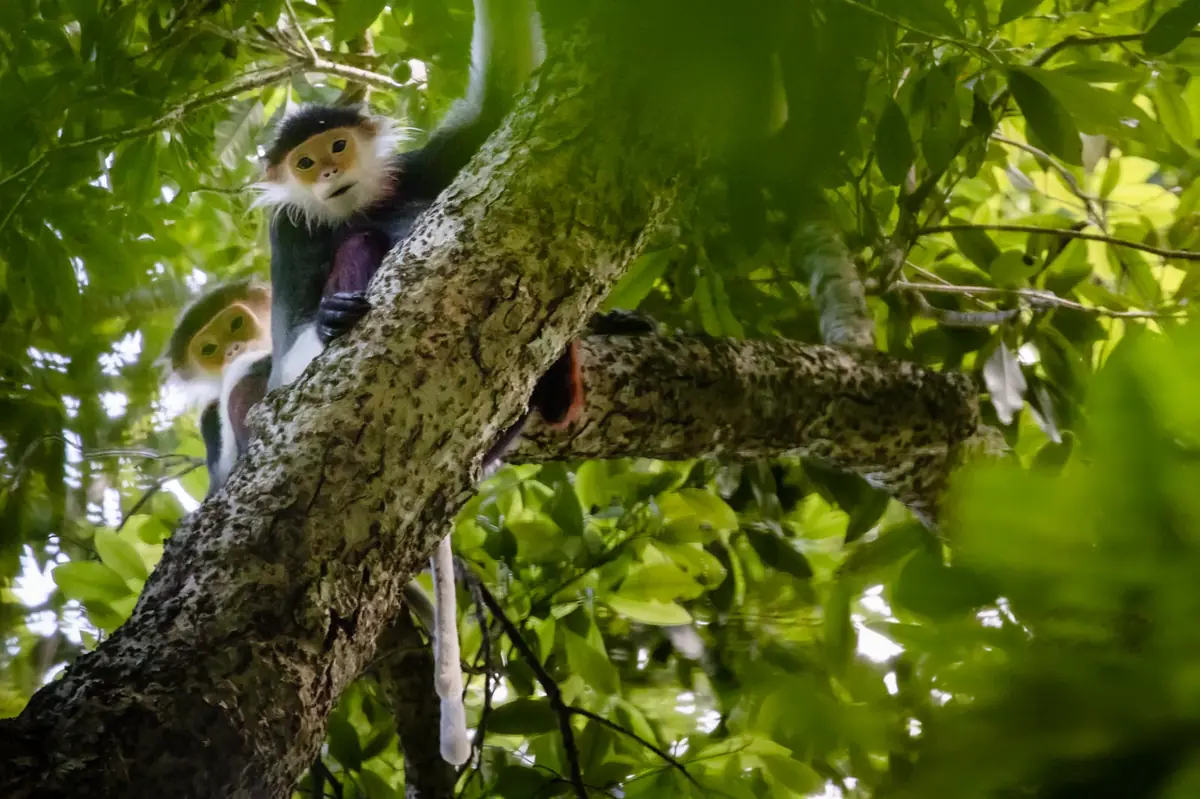
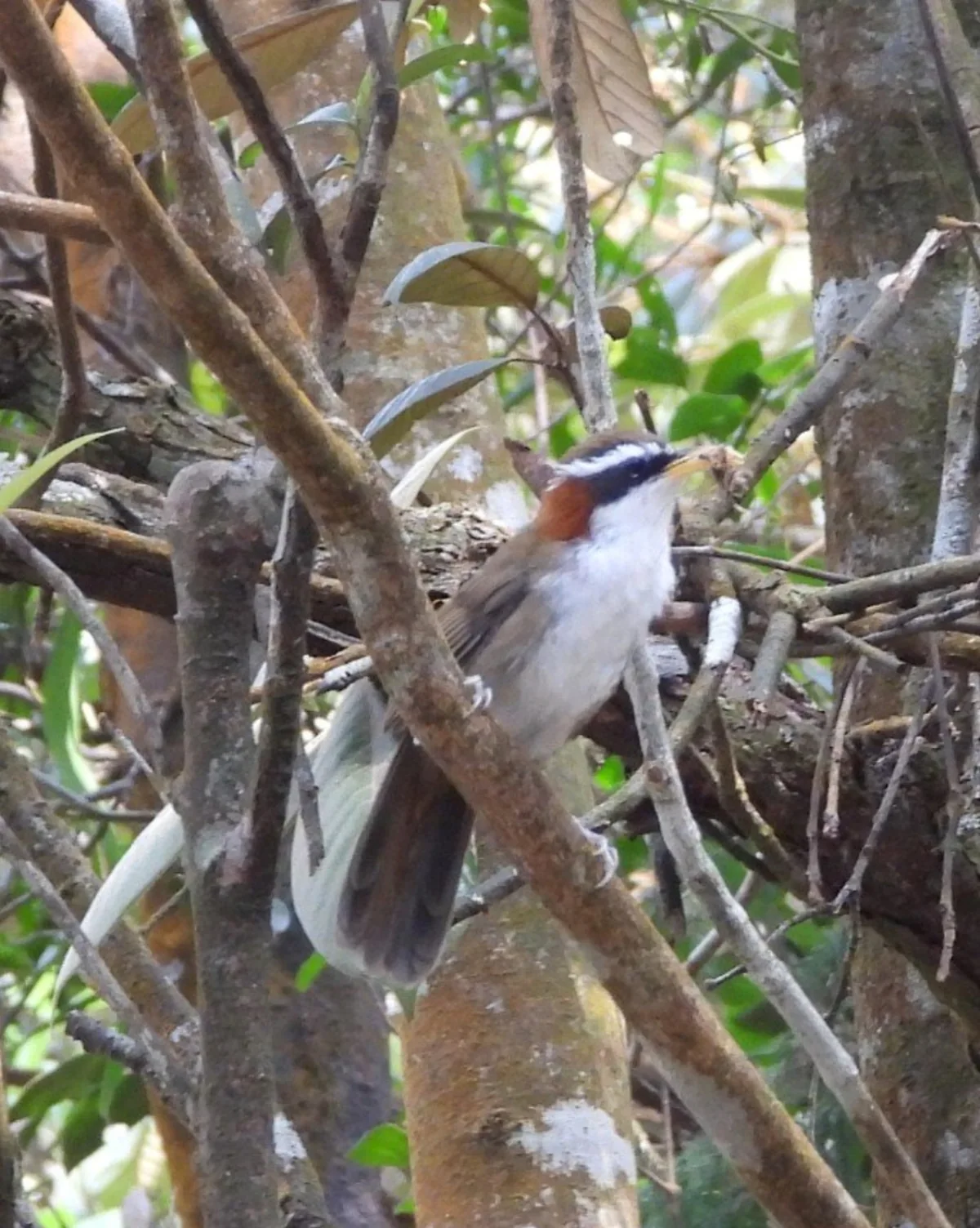
The Truong Son region supports a wide range of wildlife, including primates, birds, reptiles and amphibians. Siki gibbons, douc langurs and hornbills evoke the value of natural forests, where connected tree canopies are especially important for animals that live above the ground.

When Is the Best Time to Visit U Bo?
On Clear Days
During spells of settled weather, especially in the drier season, visibility is generally better for enjoying the mountain scenery. Conditions can still change quickly with altitude, so weather in Dong Hoi is not a reliable guide to conditions at the summit.
When the Mountains Are Misty
Mist lends U Bo a quiet, atmospheric beauty, but it can also make roads slippery and reduce visibility for drivers and walkers. For distant views, choose a day with a forecast of limited low cloud.
Before You Set Off
- Check the weather forecast, road conditions and any access restrictions.
- Bring shoes with good grip, a light jacket, drinking water and insect repellent.
- Stay on permitted routes; do not create new trails or leave your group in the forest.
- Avoid loud music, feeding wildlife, collecting plants or leaving litter behind.
Explore to Understand, Understand to Protect
Reaching U Bo is memorable, but its lasting value lies in the natural environment we preserve. A meaningful visit offers more than beautiful views: it reveals how forests retain water, protect soil, regulate local climate and provide habitats for wildlife.
Respecting the forest’s quiet, leaving habitats undisturbed and minimising the impact of visits are practical ways to protect its natural character.
Editorial note: Wildlife images illustrate the biodiversity of the wider Truong Son region and do not, on their own, confirm that the species have been recorded at U Bo itself.


