




Application of GIS, Remote Sensing, IoT, and AI in Natural Resource Management
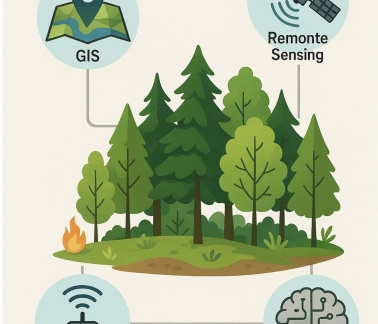
This article provides a comprehensive overview of the integration of advanced technologies—namely Geographic Information Systems (GIS), Remote Sensing (RS), the Internet of Things (IoT), and Artificial Intelligence (AI)—in forestry management, with a particular focus on practical applications in Vietnam and comparisons with global trends.
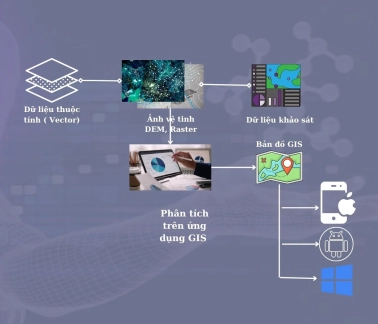
Disaster Monitoring System applied for Phong Nha - Ke Bang
The GIS- and remote sensing-based disaster monitoring model developed for Phong Nha – Ke Bang National Park holds both scientific and practical significance. Scientifically, it advances integrated methodologies for spatial data analysis, remote sensing applications, and decision-support systems in early warning of natural hazards.
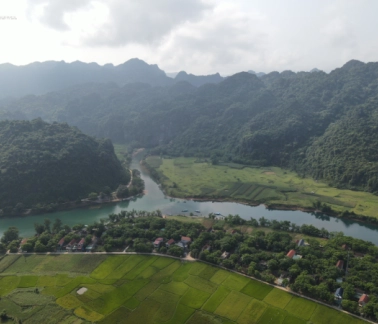
New Quang Tri – A United Land of Shared Aspirations
Nestled in Central Vietnam, the newly established Quang Tri Province is a fusion of the historic lands of Quang Binh and Quang Tri, spanning over 13,000 km² with more than 2.2 million residents. Strategically positioned at the crossroads of the North–South backbone and the East–West Economic Corridor, it boasts exceptional biodiversity—from the Phong Nha–Ke Bang World Heritage Site to the biosphere reserves of Bac Huong Hoa and Con Co Island. With abundant wind and solar resources, vibrant coastal communities, and rich cultural heritage, the province champions a green, smart development model balancing nature, people, and technology. A symbol of guided rebirth and sustainable ambition.
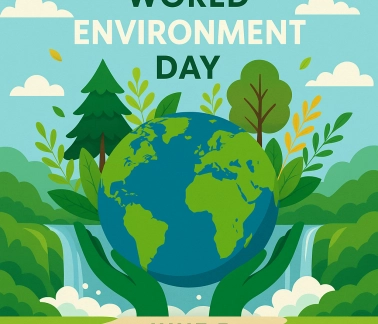
Seeking Climate Justice: Acknowledging Historical Truths
On World Environment Day, Professor Joyeeta Gupta (simulated) offers a powerful lens through which to examine the global climate crisis—one grounded in historical truths and justice. She argues that climate change is not merely a consequence of industrial development or population growth, but the product of a fundamentally unjust and unsustainable development model rooted in colonial legacies.

Phong Nha Botanical Garden – A “Living Museum” Within the World Heritage Site
Phong Nha Botanical Garden is a unique conservation site within the Phong Nha – Ke Bang World Heritage core zone. The garden preserves more than 500 plant species and 340 animal species; make it ideal for ecological research, education, and responsible tourism.
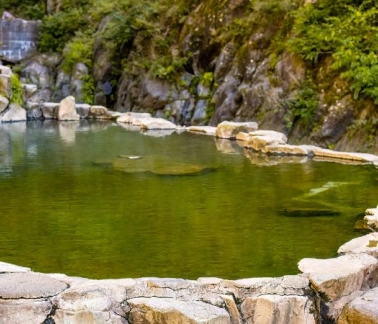
Balneotherapy: The Natural Art of Water Healing
Balneotherapy, the ancient art of healing through mineral-rich waters, mud, and steam, has stood the test of time—blending centuries-old traditions with modern wellness practices. From easing joint pain to refreshing the mind, it offers a natural path to health that’s both restorative and deeply rooted in nature.
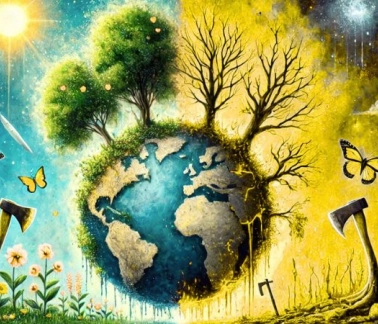
The Green Planet – Plants on Earth
Earth, our "green planet," is the home where life has developed and evolved over billions of years. Within Earth's complex ecosystems, plants play a central role, not only as a source of life for countless species but also as a crucial factor in maintaining planetary balance.
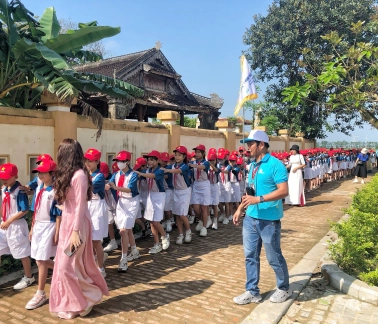
UNESCO’s Educational Philosophy – Lessons from the World’s Most Progressive Nations
This philosophy was articulated in the influential report “Learning: The Treasure Within” (UNESCO, 1996), which introduced the Four Pillars of Education:
Learning to Know, Learning to Do, Learning to Live Together, and Learning to Be.
These pillars not only reflect the journey of personal growth, but also emphasize the vital role of education in building a just and sustainable society.
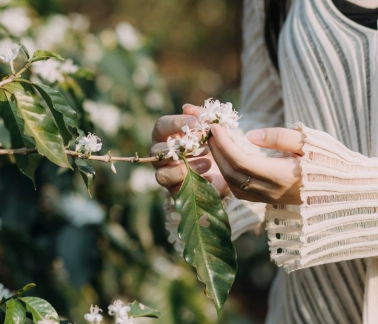
Khe Sanh in March – The Hills Where Coffee Flowers and Fruit Awaken Together
Khe Sanh – Where Nature and Daily Life Flow as One
When March arrives, Khe Sanh awakens in a dazzling display of blossoms and scent.
This land, quiet and humble for most of the year, bursts into color with the pure white bloom of coffee flowers and the vibrant red ripening of jackfruit coffee berries.
It’s not just a season—it’s a living canvas where nature and people breathe in harmony, painting the hills with fragrance, light, and life.
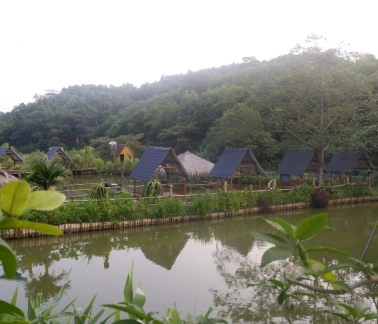
Retreat to Nature – Where Sustainability Meets Serenity
The term “retreat” originates from English, meaning to “withdraw” or “step away”—often from the noise and pressures of modern life.

The Ma-Coong Drum Beating Festival
The Ma-Coong Drum Beating Festival is one of the most unique cultural events of the Bru - Van Kieu ethnic group, held annually in the Truong Son mountains, Quang Binh. This festival is not only a traditional ritual deeply rooted in spiritual beliefs but also an occasion for the community to come together, enjoy festivities, and find life partners. With the resounding drumbeats echoing through the vast jungle, the festival is a symbol of reverence for the gods and a cultural emblem of the Ma-Coong people.
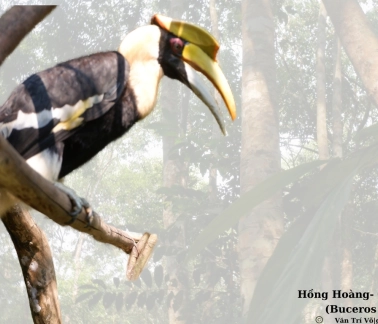
Why Must We Conserve Biodiversity?
Biodiversity encompasses all species of plants, animals, microorganisms, and the ecosystems in which they exist. It is not merely about the variety of species but also includes the richness of genetic diversity and different ecosystems such as forests, oceans, grasslands, and wetlands.