Hoành Sơn Gate: A Historical and Cultural Landmark atop Đèo Ngang Pass
02-03-2026 10:18
Main contents
Location
Highlight Image


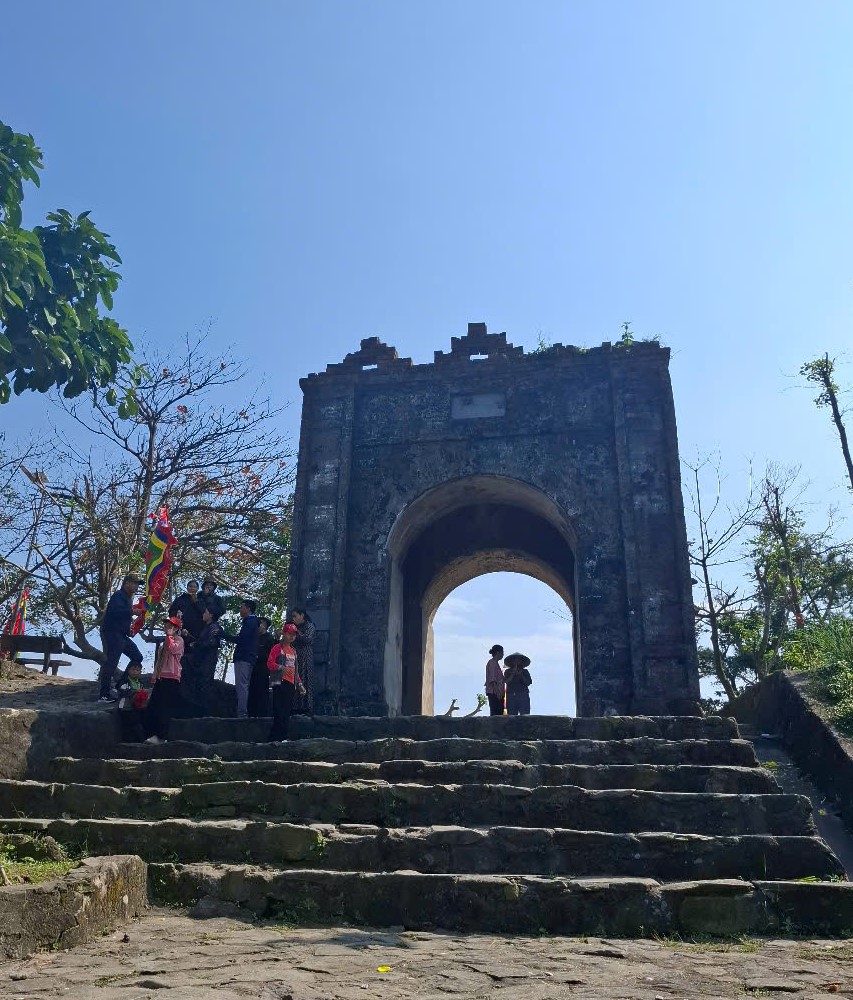

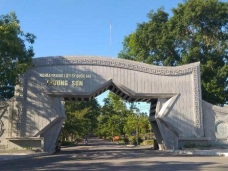
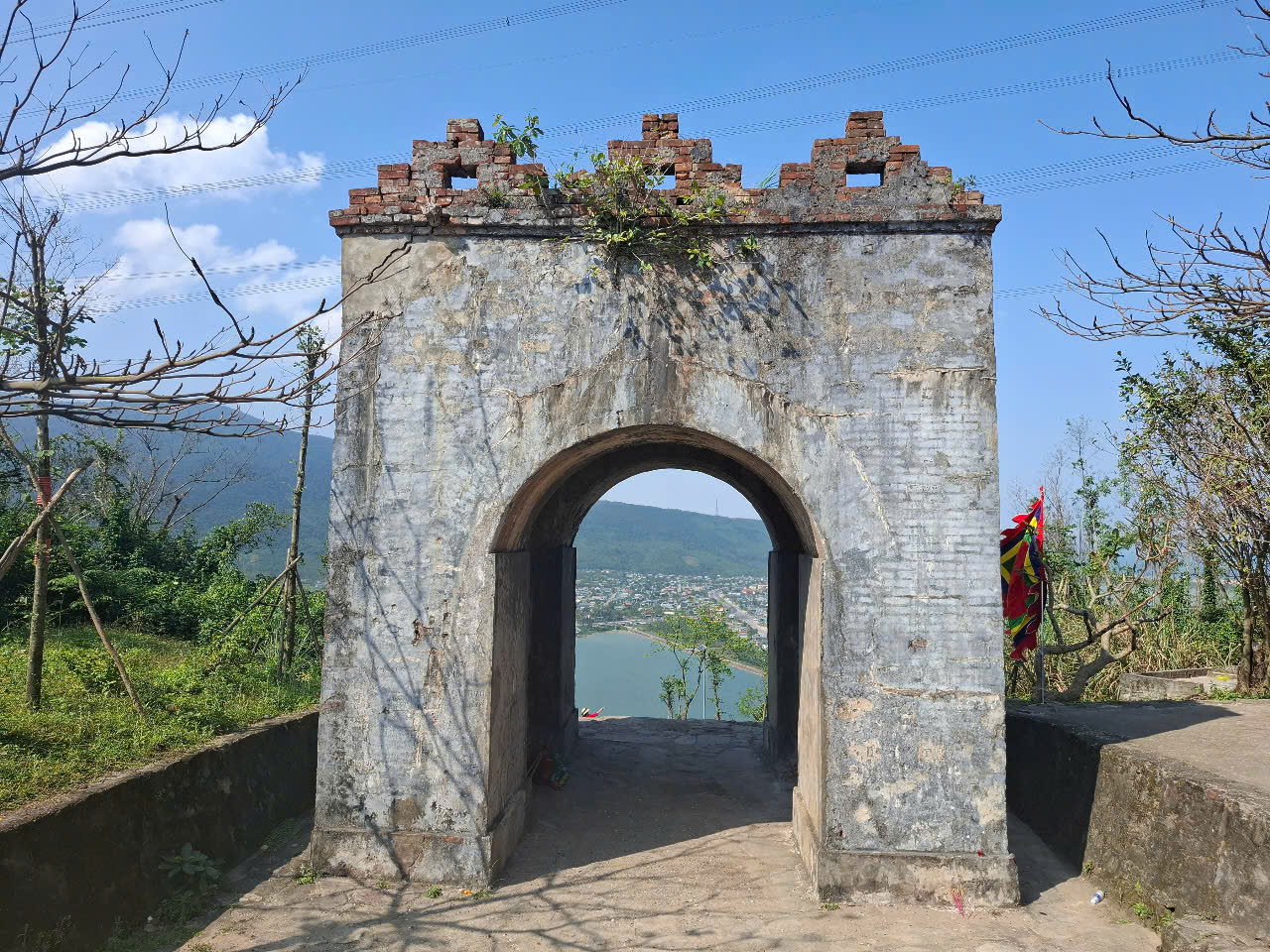
Hoành Sơn Gate – A Historical and Cultural Landmark (also known among locals as the “Gate to Heaven”) stands proudly atop Đèo Ngang Pass like a silent witness to the history of Vietnam. Straddling the boundary between Quảng Bình and Hà Tĩnh provinces, this relic is not only a symbol of an ancient geographical frontier but also a vivid testament to the meeting point between majestic nature and the nation’s long journey of territorial expansion.
The History of Hoành Sơn Gate – A Strategic Pass on the Imperial North–South Route
Since ancient times, the Hoành Sơn mountain range served as a natural border between Đại Việt and Champa. This area witnessed countless historical changes during periods of cultural exchange and conflict.
According to Đại Nam Thực Lục (Veritable Records of Đại Nam), the gate was commissioned in the spring, in the third lunar month of the Year of Quý Tỵ (the 14th year of Emperor Minh Mạng’s reign, corresponding to 1833). Emperor Minh Mạng appointed Trần Văn Tuân, the acting Provincial Administrator of Quảng Bình, to oversee the entire construction. Around 300 soldiers from Quảng Bình and Hà Tĩnh were mobilised, and the work was completed within a single month.
In architectural terms, to control the imperial North–South route and safeguard territorial security, Emperor Minh Mạng ordered the construction of a substantial stone gate and fortified pass. The gateway was built of brick and stone in the style of Nguyễn Dynasty military architecture. Its arched entrance rises more than four metres high, flanked by walls of naturally stacked stone extending along the mountain slopes. On the southern face of the gate are the three Chinese characters “Hoành Sơn Quan”.
At that time, the pass was heavily guarded by soldiers and functioned as one of the most important checkpoints in central Vietnam. Though time has weathered its ancient bricks and stones, the monument still stands firm, evoking memories of a powerful feudal era.

The Scenery of Đèo Ngang and Its Poetic Inspiration
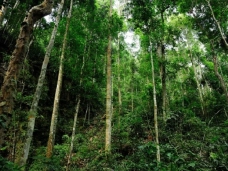
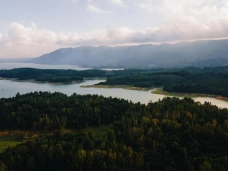
The landscape surrounding Hoành Sơn Gate is a breathtaking natural masterpiece, where the mountain range stretches dramatically towards the East Sea. From the summit, visitors can look out over vast expanses of sea and sky, sheer rocky cliffs, and deep green forested slopes.
The air here is always cool, with mist drifting year-round, creating an ethereal atmosphere as though one had wandered into a fairyland. This wild and solitary beauty has inspired generations of poets and scholars, most notably the poetess Bà Huyện Thanh Quan with her celebrated poem Qua Đèo Ngang (Crossing Đèo Ngang Pass):
Stepping onto Đèo Ngang as the sun declines,
Grass crowds the stones, leaves mingle with flowers.
A few woodcutters stoop beneath the mountain,
Scattered homes appear beside the river market.
The cry of the quốc bird stirs sorrow for the nation,
The call of the gia gia bird deepens longing for home.
I pause and stand before the sky, the hills, the waters—
One solitary feeling, with only myself.
These lines have engraved Đèo Ngang and Hoành Sơn Gate into the Vietnamese soul, turning this place into a symbol of nostalgia and love for one’s homeland.
The Cluster of Ancient Cultural Relics in the Hoành Sơn Range
The Hoành Sơn range is a rich repository of cultural heritage. With Hoành Sơn Gate at its centre, the area preserves many traces of the past.
Most notable is the Hoành Sơn Rampart (Lâm Ấp Phế Lũy). This was a defensive wall system made of earth and stone, built by the people of Lâm Ấp (ancient Champa) in the 4th century to repel incursions from the north. Although only scattered remnants survive today beneath the forest canopy, these remains are of immense archaeological value. Each step along the ancient ramparts, or on the moss-covered stone stairways leading up to the “Gate to Heaven”, gives visitors the feeling of touching the flow of history stretching back thousands of years.
Spiritual and Tourist Destinations around Hoành Sơn Gate
A journey to explore Đèo Ngang would not be complete without visiting the nearby attractions, where spiritual tourism, natural discovery, and relaxation blend harmoniously:
Liễu Hạnh Princess Temple
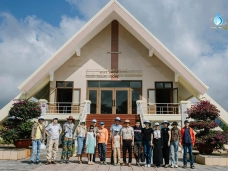
Located right at the foot of the pass on the Quảng Bình side. This sacred spiritual site is dedicated to one of the “Four Immortals” in Vietnamese folk belief. The temple features traditional East Asian architecture and lies shaded beneath ancient trees, making it a peaceful place for visitors to pray for safety and good fortune.
Vũng Chùa – Yến Island
About 7 km south of the pass. This area boasts a beach of fine white sand, clear blue water, and is the resting place of General Võ Nguyên Giáp. Its solemn and tranquil atmosphere is ideal for paying respects and enjoying the scenery.
Hòn La Island
A small island approximately 9 km away, with a pristine ecosystem. It is an ideal destination for those who enjoy boat trips, sea views, and fresh seafood.
Cảnh Dương Fishing Village
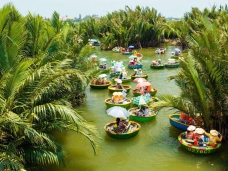
A centuries-old coastal village near the foot of the pass. Here, visitors can experience the simple charm of traditional fishing culture, admire seaside murals, and savour regional specialities of central Vietnam.
Hoành Sơn Beach
Located on the Hà Tĩnh side, about 2 km from the foot of the pass. This beach still retains its unspoilt and poetic beauty, with gently sloping sand and scattered rocky outcrops, making it a stunning check-in spot at sunset.
The journey to conquer Hoành Sơn Gate is not merely an excursion to admire magnificent natural scenery, but also a pilgrimage back to the historical roots of the Vietnamese nation
Contact
PHONG NHA VIET TRAVEL
🏠 46 Bà Triệu, TP. Đồng Hới, Quảng Bình
📞 0911 367 789
📧 phongnha.vie@gmail.com
🌐 www.phongnhaviet.com