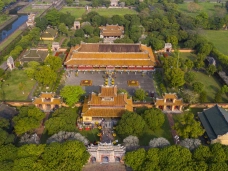
Phong Nha – Ke Bang National Park: Vietnam’s Outstanding Natural Heritage
13-04-2026 16:34
Main contents
- 1. Introduction
- 2. Where Is Phong Nha – Ke Bang National Park and Why Is It Famous?
- 3. The Geological History of Phong Nha – Ke Bang
- 4. Outstanding Universal Values
- 5. Climate and Weather Characteristics
- 6. Main Attractions in Phong Nha – Ke Bang
- 7. Why Is Phong Nha – Ke Bang a Natural Heritage Site of Outstanding Value?
- 8. Visitor Tips for Exploring Phong Nha – Ke Bang National Park
- 9. The Top Standard Tours to Phong Nha
Location
Highlight Image


Introduction
Hidden within the majestic northern Truong Son Range, Phong Nha – Ke Bang National Park is a natural masterpiece of both Vietnam and the world. This heritage area covers 123,326 hectares, borders Laos, and is ecologically connected to the Hin Nam No National Protected Area. In 2003 and 2015, UNESCO recognised Phong Nha – Ke Bang twice as a World Natural Heritage Site for its outstanding global values in geology, geomorphology and biodiversity.
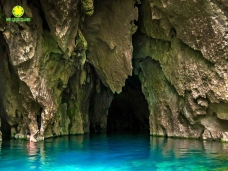
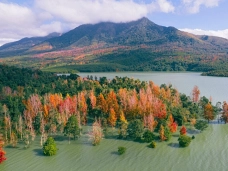
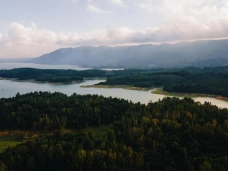
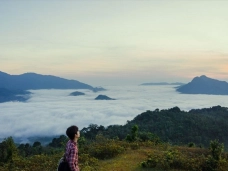
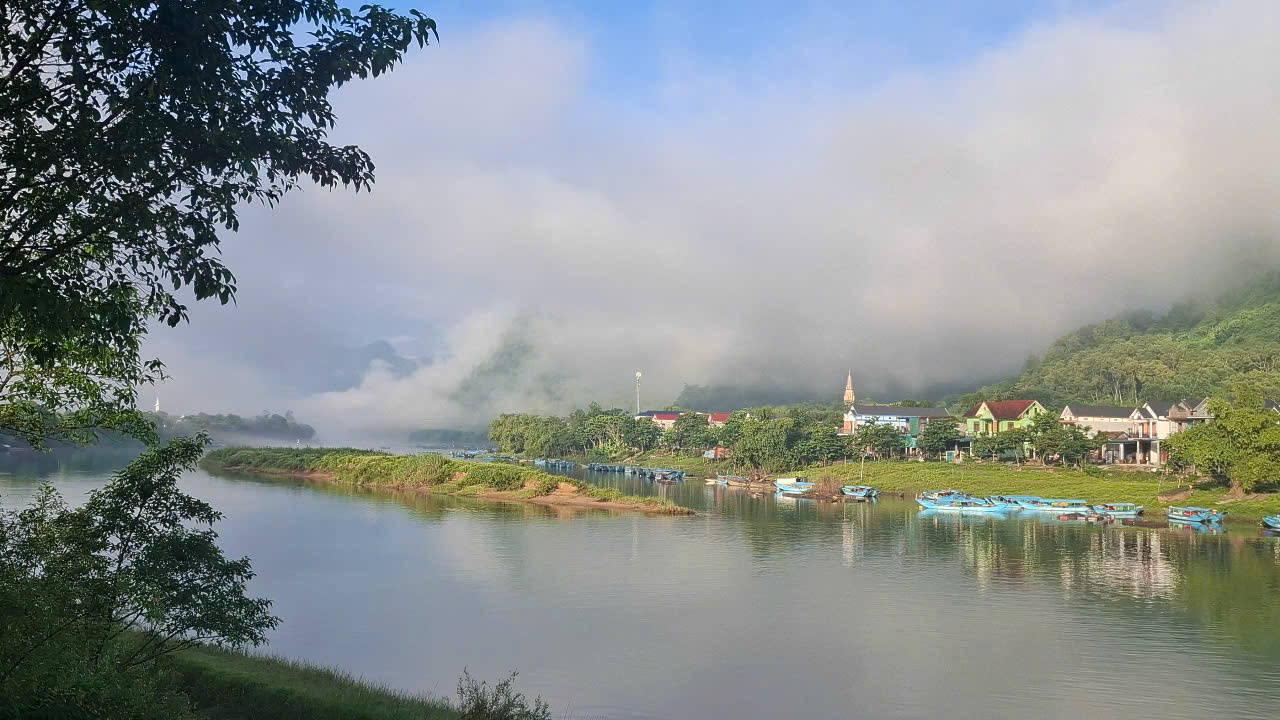
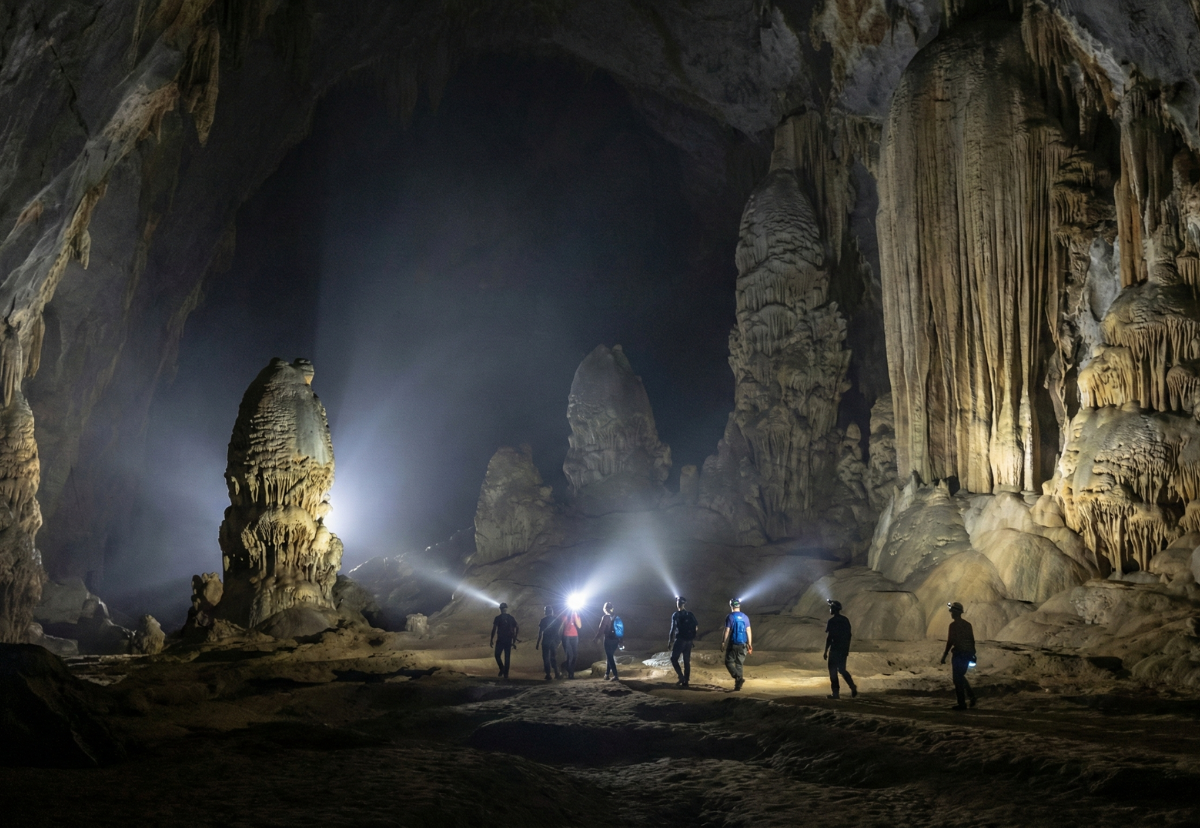
Morning begins here with a thin veil of mist drifting around the limestone mountains. The Son River quietly reflects the sky, guiding visitors into the earth’s interior, where time is engraved in every glittering stalactite and stalagmite. More than simply a destination, Phong Nha – Ke Bang is a journey back through hundreds of millions of years of Earth’s history.
Where Is Phong Nha – Ke Bang National Park and Why Is It Famous?
What makes Phong Nha – Ke Bang renowned is not only the spectacular beauty of its caves, but also the depth of its scientific value. UNESCO first inscribed the site in 2003 for its outstanding geological and geomorphological significance, and recognised it again in 2015 for its biodiversity and ecosystems. The combination of ancient karst landscapes, vast cave systems, primary forests and exceptional biodiversity has made Phong Nha – Ke Bang one of Asia’s most remarkable natural heritage regions.
Key Location and Scale
- Located in Central Viet Nam, within the northern Truong Son Range
- Covers an area of more than 123,326 hectares
- Ecologically linked with Hin Nam No in Laos
- One of the world’s most important tropical karst regions
Why Is Phong Nha – Ke Bang So Famous?
- Home to a magnificent, diverse cave system with numerous records
- Possesses a very ancient geological history stretching back hundreds of millions of years
- Supports many ecosystems and rare species
- Harmoniously combines scientific value, landscape beauty and adventure tourism
The Geological History of Phong Nha – Ke Bang
Phong Nha – Ke Bang is regarded as one of the oldest karst regions in Asia, with a geological history of around 400 million years. Over this immense span of time, the area has gone through major stages of Earth formation, from ancient seas and tectonic uplift to faulting and prolonged karst weathering. These accumulated geological changes have created a dramatic limestone landscape of hundreds of caves, enclosed valleys, sinkholes, underground rivers and many distinctive landforms.
Outstanding Universal Values
Geology and Geomorphology
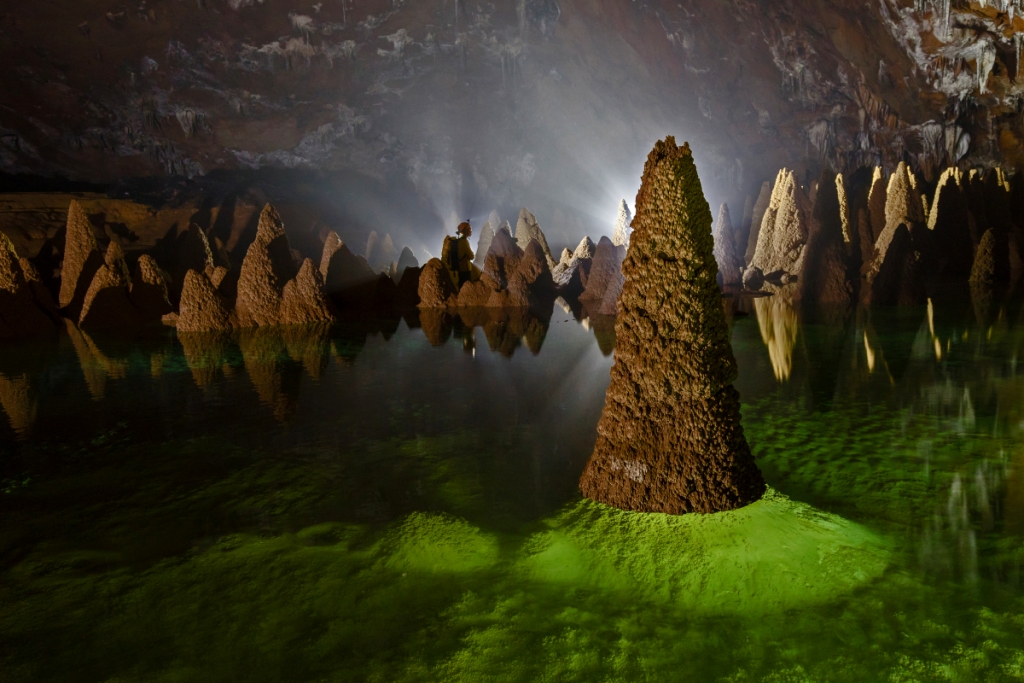
Phong Nha – Ke Bang is one of the oldest and most extensive karst regions in the world, reflecting around 400 million years of crustal evolution across five major geological stages. Limestone formations more than 1,000 metres thick, together with ancient marine fossils such as rugose corals, crinoids, brachiopods and foraminifera, show that this region once lay beneath the sea. Tectonic activity, faulting and crustal uplift later created the conditions for water erosion to shape a spectacular karst and cave landscape.
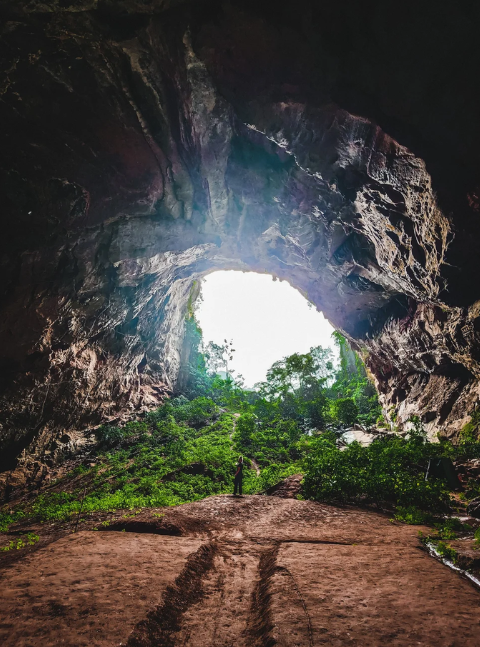
To date, 404 caves with a combined surveyed length of more than 231 km have been recorded, belonging to three main cave systems: Phong Nha, Vom and Nuoc Mooc. Among the most outstanding are Son Doong Cave, Khe Ry Cave and En Cave, all of which possess exceptional scientific value and world-class distinctions.
Biodiversity in Phong Nha – Ke Bang National Park
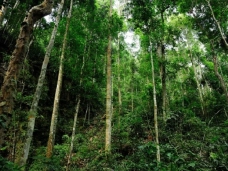
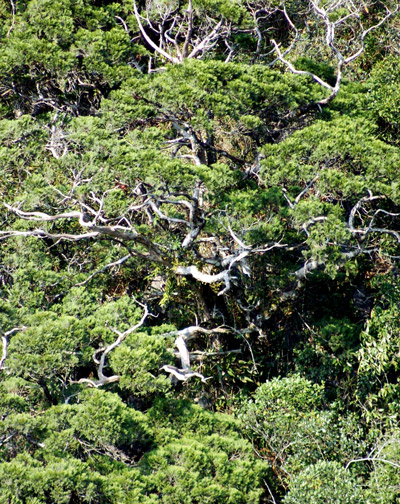
Phong Nha – Ke Bang National Park is one of the areas with the highest biodiversity in Vietnam and the world, situated within the North Truong Son ecoregion of the Indo-Burma biodiversity hotspot. With 15 habitat types and 10 important vegetation types, forest cover reaches approximately 93.5–94%, of which more than 83–84% is primary forest on limestone mountains—the largest such expanse in Vietnam. Particularly notable are the tropical evergreen closed forests on limestone below and above 800 metres, the globally distinctive limestone cypress forest featuring Calocedrus rupestris, and the cave and underground river habitats.
Flora
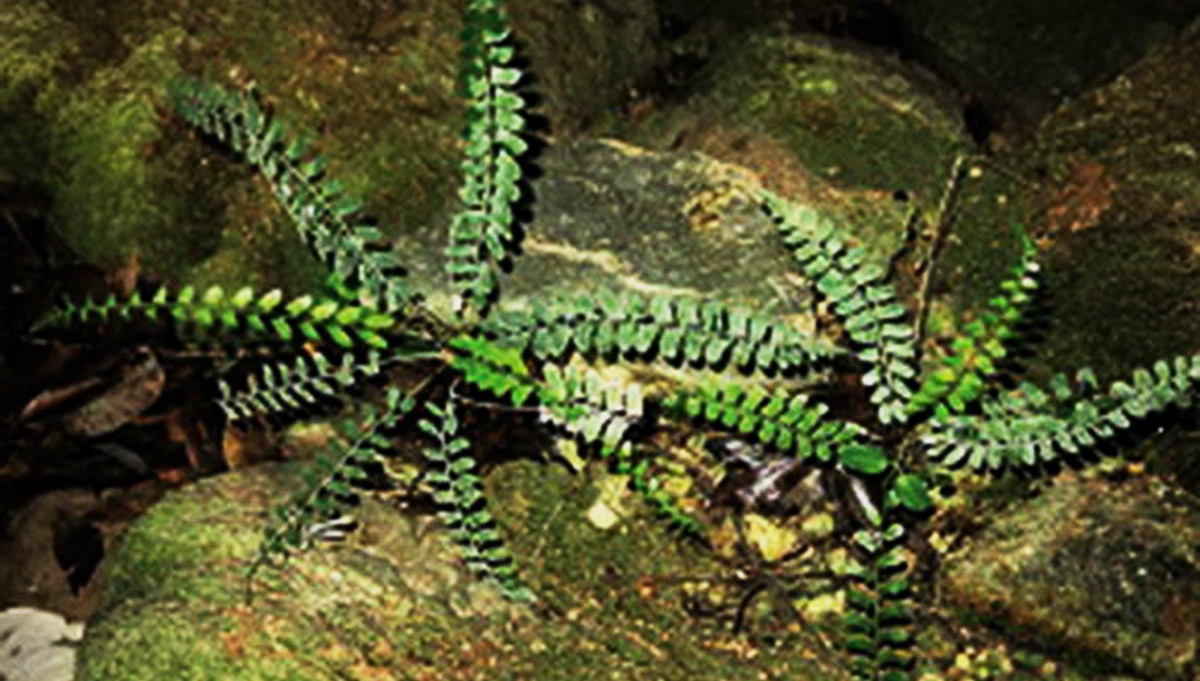
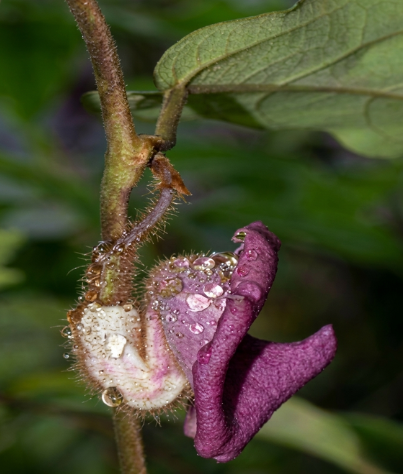
The park has recorded 2,953 species of vascular plants, belonging to 1,007 genera and 198 families. These include hundreds of taxa endemic to Vietnam (around 419 taxa), many rare species listed in the Vietnam Red Data Book (111 species) and on the IUCN Red List (121 species), such as Calocedrus rupestris, species of Dipterocarpus and Hopea. More recently, the parasitic species Himalayan sapria has also been discovered here.
Fauna
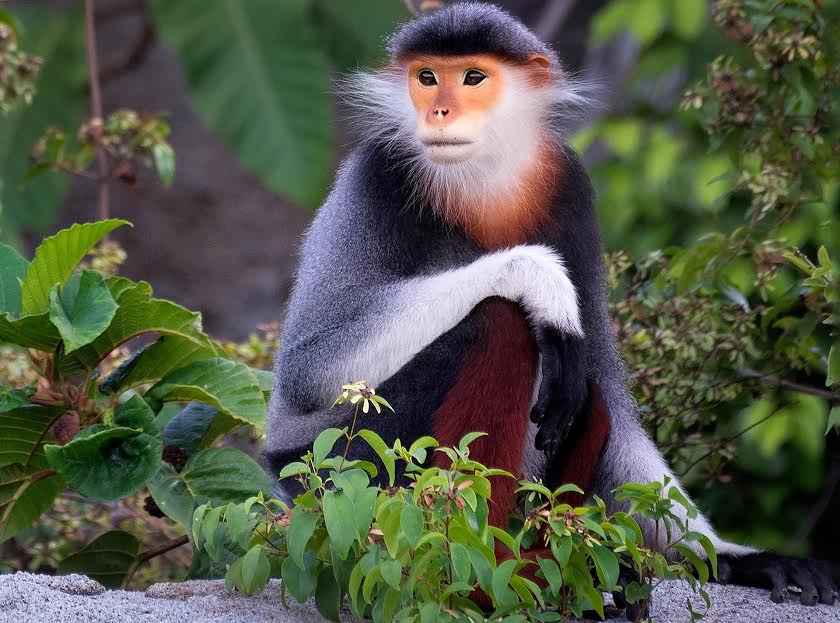
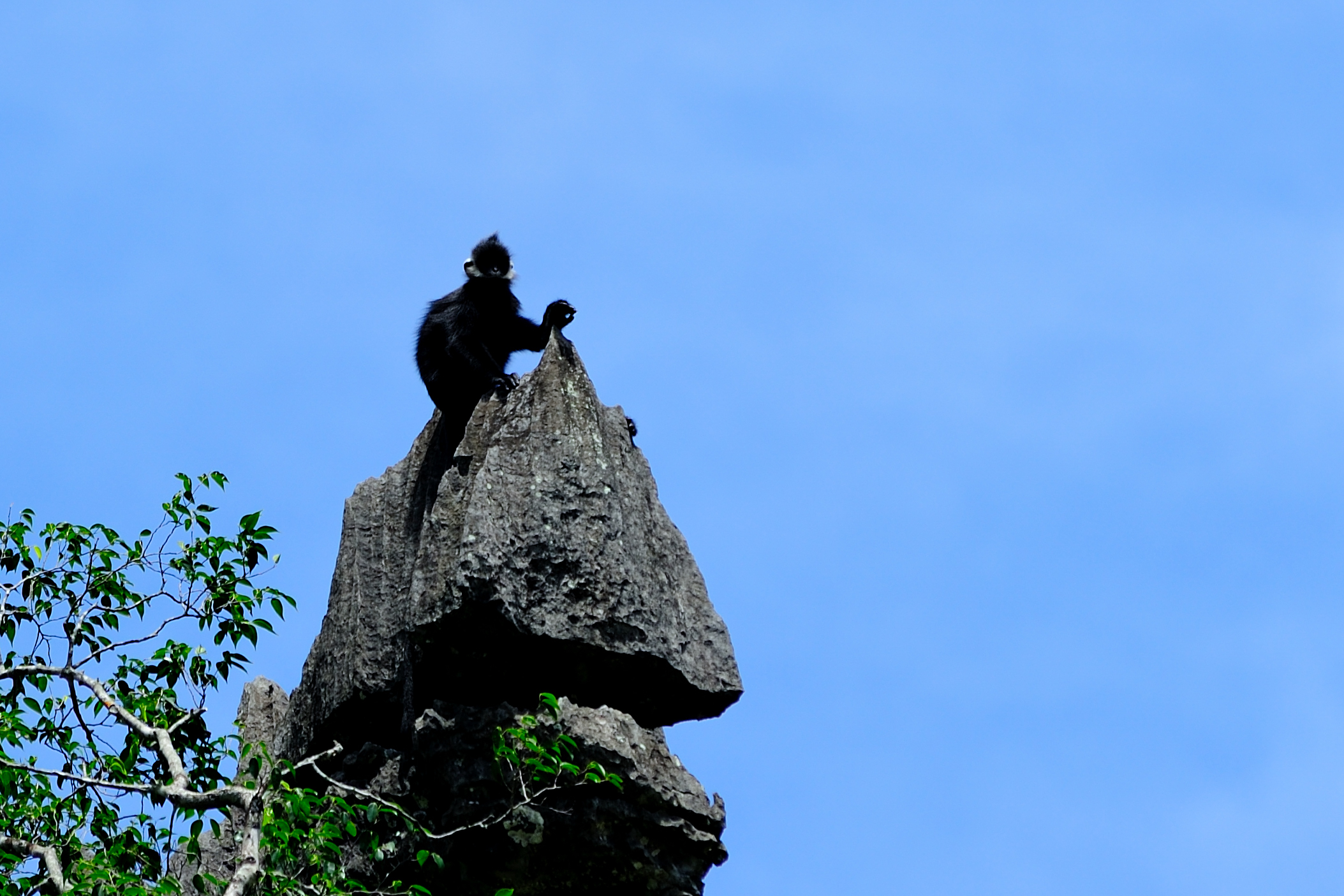
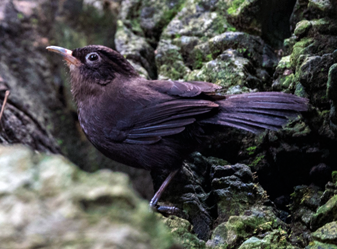
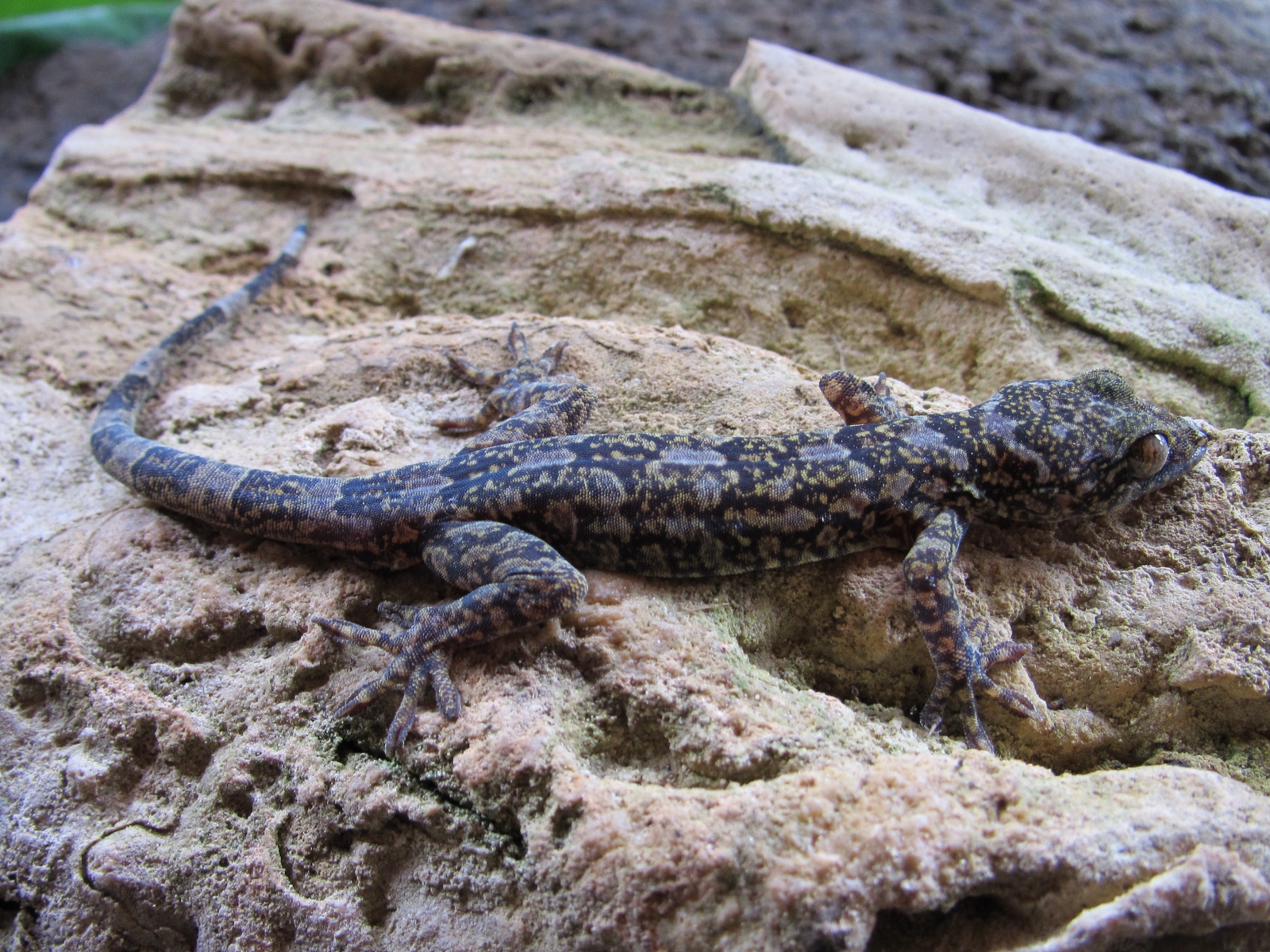
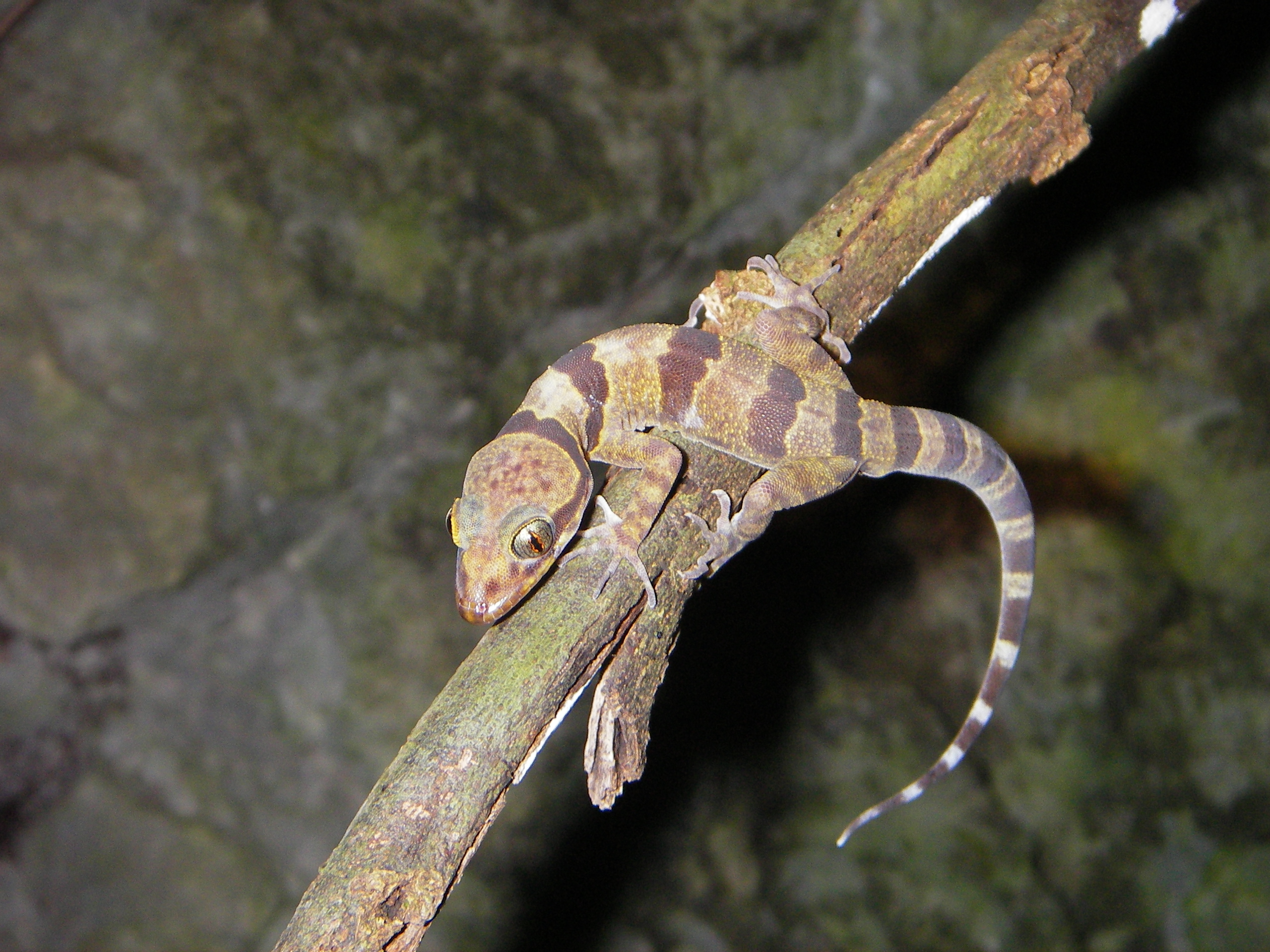
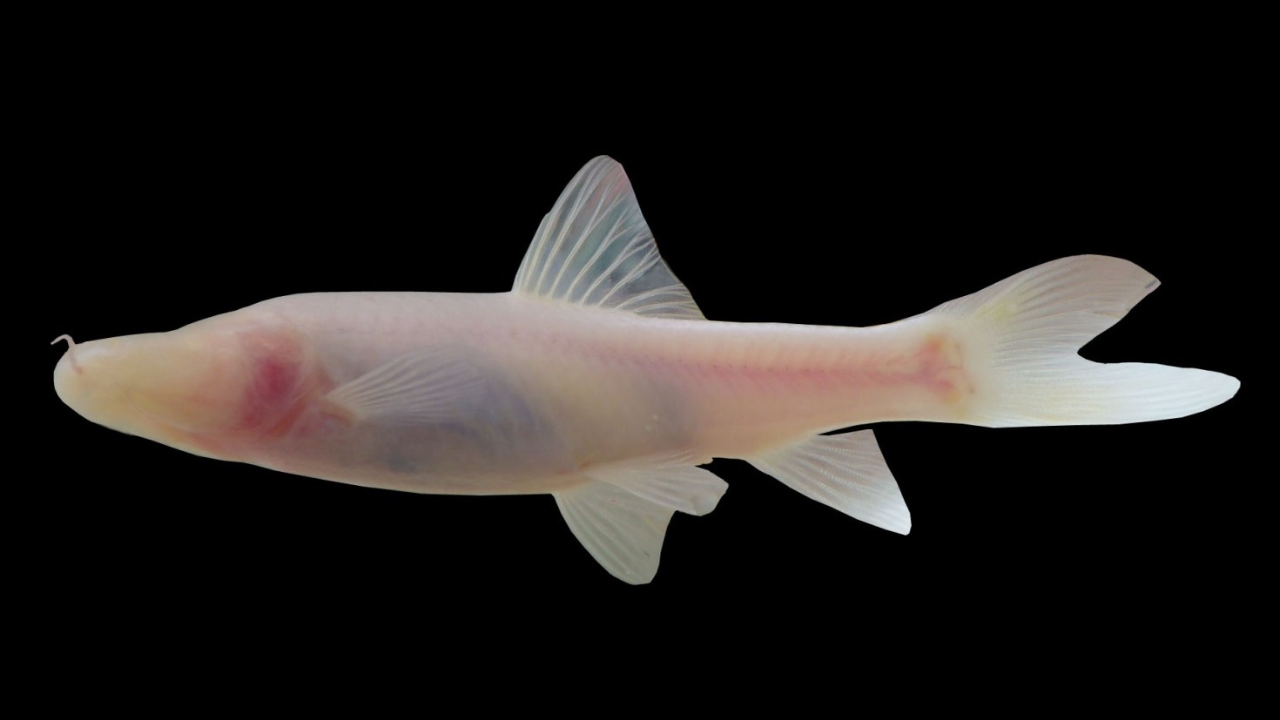
Animal diversity is exceptionally rich, with 1,394 species recorded across 835 genera and 289 families. This includes 154 mammal species—among them globally important large mammals such as the Hatinh langur, saola and large-antlered muntjac—as well as 302 bird species, reptiles, amphibians, fish and countless invertebrates. Many are endemic to the Truong Son Range and threatened, including 82 species listed in the Vietnam Red Data Book and 116 species on the IUCN Red List.

Hydrology
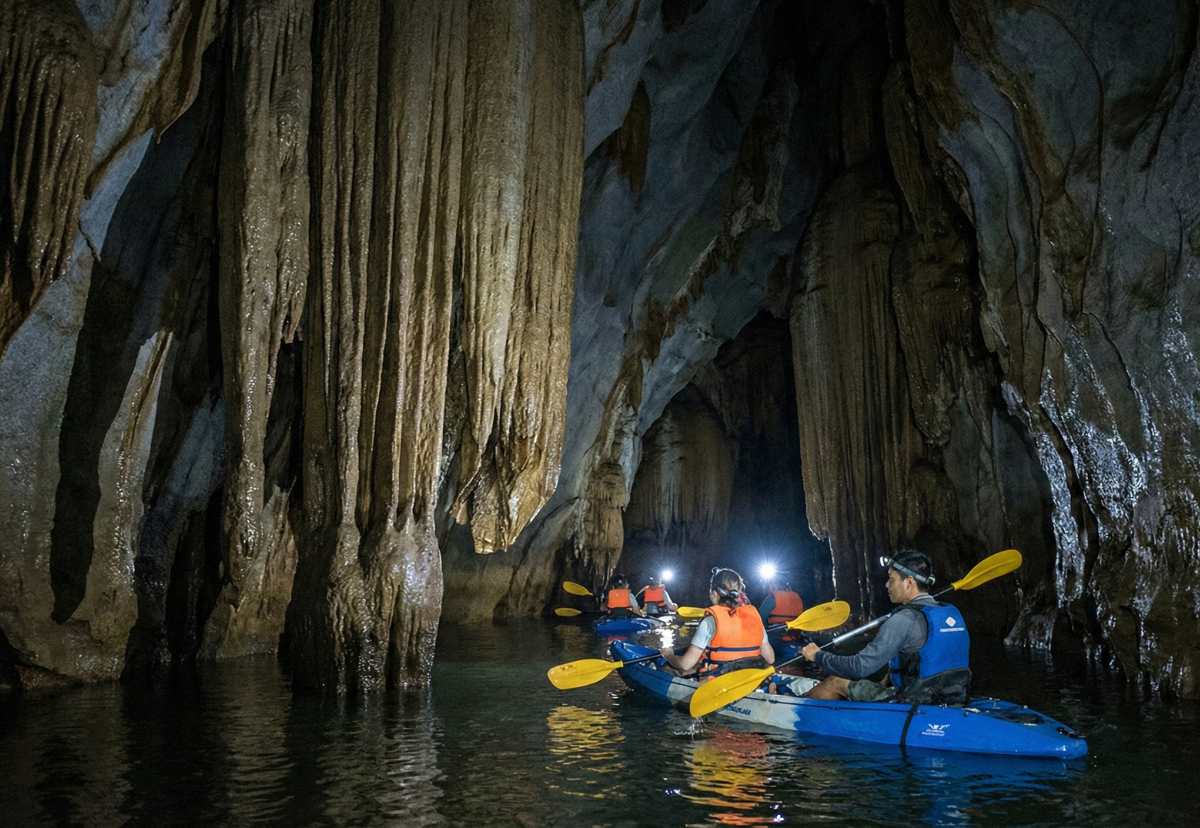
The hydrological system of Phong Nha – Ke Bang National Park is highly complex and distinctive, characterised by a network of underground rivers flowing through hundreds of caves. There are three main cave systems associated with underground rivers: the Phong Nha system, the Vom system and the Nuoc Mooc system. The total catchment area of the principal hydrological systems—including Son Doong, Paradise, Nuoc Mooc and Rao Bung—covers more than 1,500 km², with a total length of over 160 km, and most of this water ultimately drains into the Son River.
Among them, the Son Doong river system is a notable branch, originating in the Ban Khe Rung area near the Vietnam–Laos border at an elevation of 570 metres. It flows mainly from north to south, with a total length of about 35 km and a catchment area of roughly 292 km². Its flow is especially fascinating because it alternates between surface sections and subterranean passages.
The hydrology here is strongly influenced by climate variability and the rainy season. During the wet season, water flow accelerates rapidly, carrying large volumes of sediment and alluvium, turning the Son River reddish-brown and causing deposition at cave entrances. By contrast, during the dry season, the underground rivers maintain a stable and cool temperature (averaging around 19.62°C), acting as a natural thermal regulator for the cave environment.
Climate and Weather Characteristics
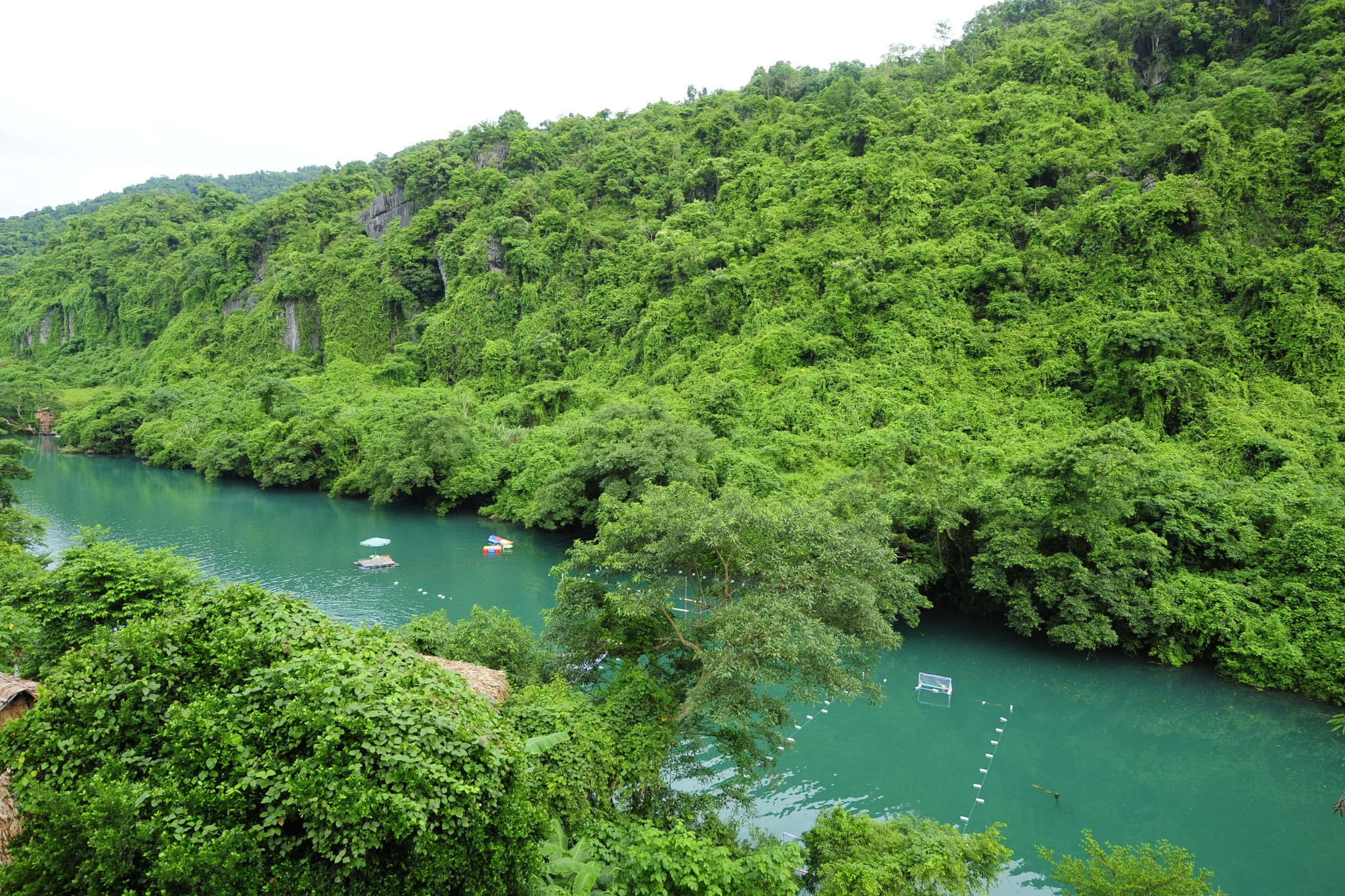
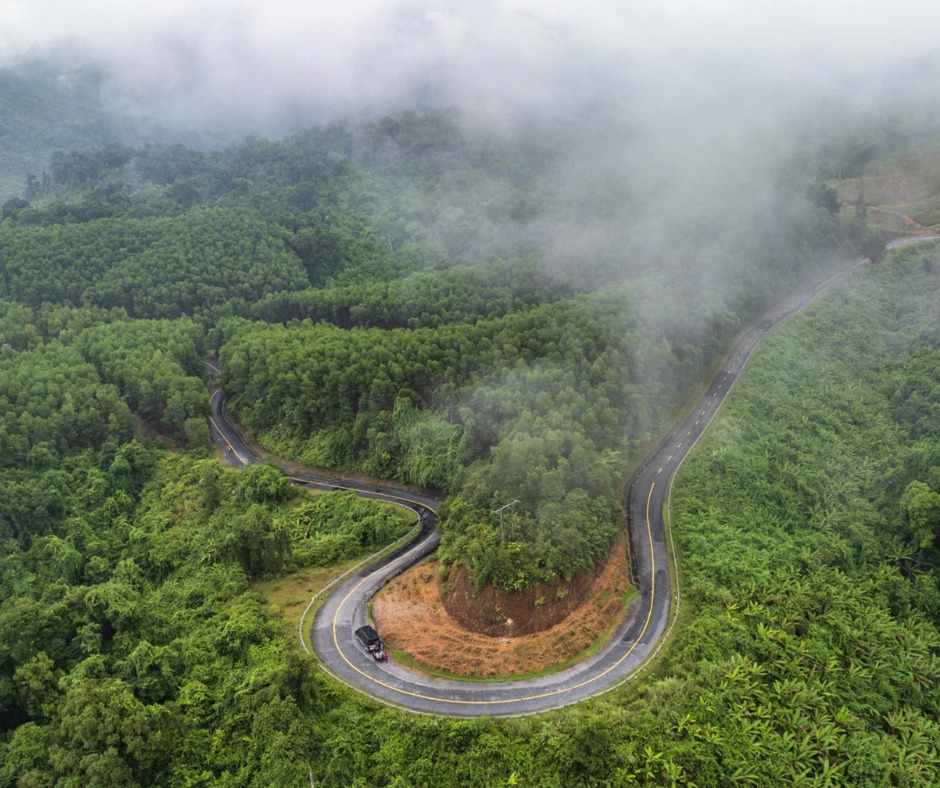
Phong Nha – Ke Bang lies within a tropical monsoon climate zone, with slightly cool winters and rainfall concentrated mainly in autumn and winter. The dry season here ranges around three months.

Main Attractions in Phong Nha – Ke Bang
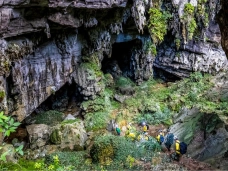
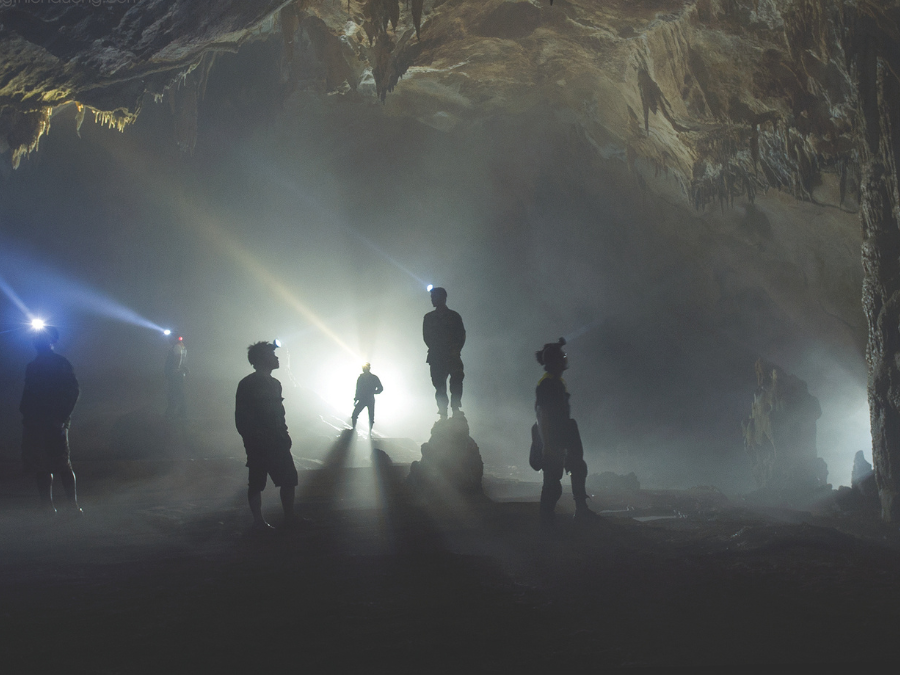
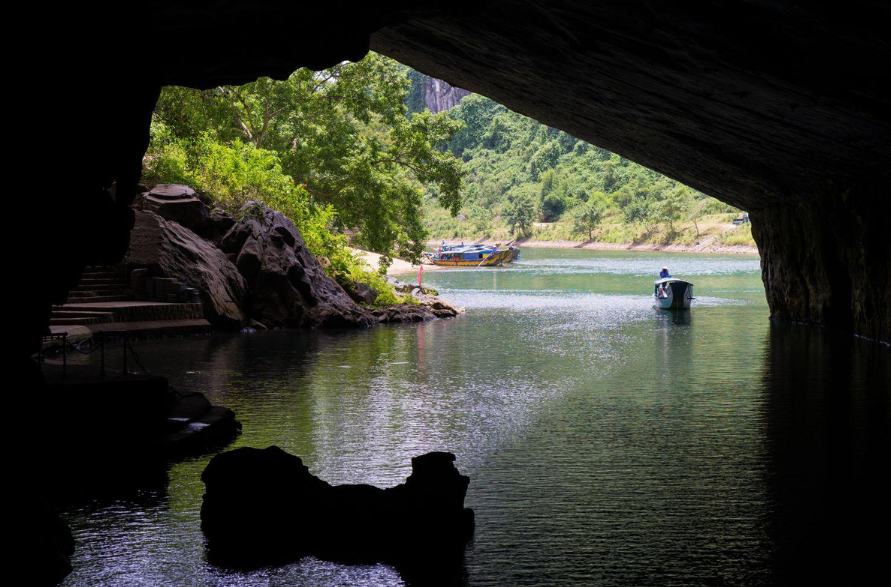
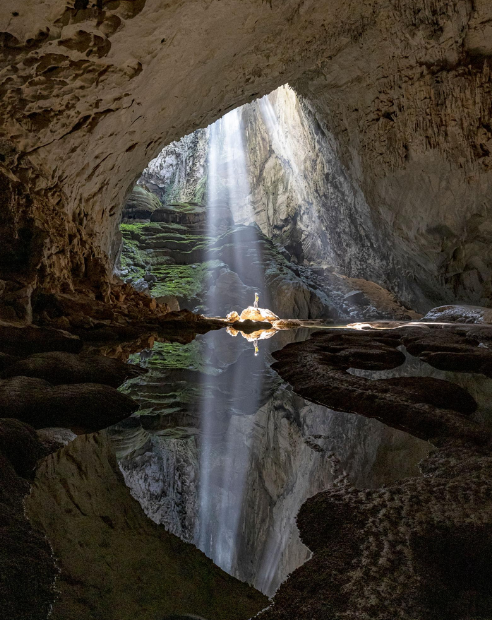
Phong Nha – Ke Bang National Park brings together many destinations that represent its geological value, scenic beauty and spirit of exploration. The most iconic is Phong Nha Cave, celebrated for its underground river, stalactites and mysterious atmosphere. Paradise Cave impresses visitors as a “palace beneath the earth”, with its vast dry chambers and exquisitely formed speleothems. Son Doong Cave is the largest natural cave in the world, while En Cave, Va Cave and Pygmy Cave represent grandeur, uniqueness and rare scientific importance.
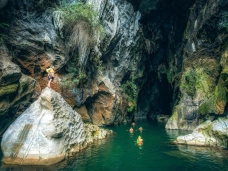
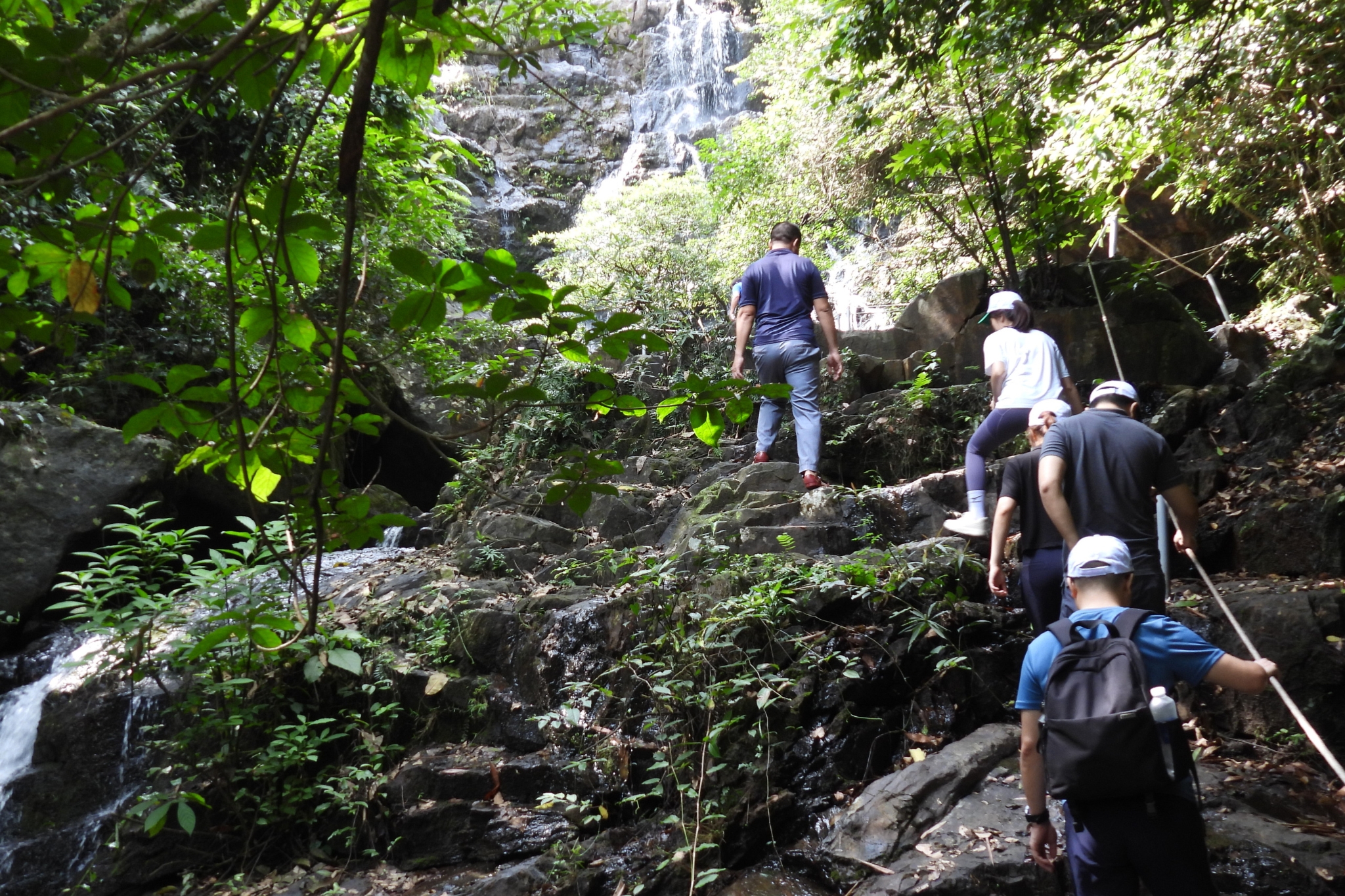
Beyond the cave systems, the Survival Valley – Thuy Cung Cave route offers a trekking journey through primary forest and jade-green streams. The Phong Nha Botanical Garden is an ideal place to learn about biodiversity, while Ozo Park, Chay River – Dark Cave and Nuoc Mooc Spring are well suited to ecotourism, outdoor sport and relaxation. Altogether, each destination forms a vivid slice of the outstanding value of the Phong Nha – Ke Bang heritage landscape.




Why Is Phong Nha – Ke Bang a Natural Heritage Site of Outstanding Value?
Phong Nha – Ke Bang is recognised as a site of outstanding universal value because it brings together multiple layers of significance at once. First is its geological and geomorphological value: an ancient, vast and complex karst region that preserves clear traces of long-term natural evolution. Second is its biodiversity value: limestone forests, endemic species, cave-dwelling organisms and rare ecosystems. Finally, there is its landscape and experiential value: few places in the world combine scientific research, nature conservation and immersive adventure tourism as powerfully as this one.
Phong Nha – Ke Bang is therefore not merely beautiful in a tourism sense. It is also a place that helps people better understand the planet, the evolution of life, and the responsibility to protect values that cannot be replaced.
Visitor Tips for Exploring Phong Nha – Ke Bang National Park
To experience Phong Nha – Ke Bang fully, visitors should first be clear about what kind of journey they want. Those seeking a gentle sightseeing experience may choose Phong Nha Cave, Paradise Cave, Nuoc Mooc Spring or the Botanical Garden. Those who prefer more active and adventurous experiences may consider Chay River – Dark Cave, En Cave, Va Cave, Pygmy Cave or deeper trekking routes.
The best time to visit is usually during the drier months, when the weather is more stable. During the rainy season, travellers should monitor weather conditions carefully, as some routes may be temporarily suspended or adjusted due to rising water levels and safety requirements.
The Top Standard Tours to Phong Nha
Phong Việt