Gianh Ferry Memorial Site – A Historic Destination in Central Vietnam
19-05-2026 09:35
Main contents
- 1. Where is Song Gianh Ferry located?
- 2. Why was Song Gianh Ferry known as the “Fire Coordinates”?
- 3. The legacy of the “No-number Ships” on the Song Gianh River
- 4. What can visitors see at Song Gianh Ferry Memorial Site today?
- 5. Historical and educational significance of Song Gianh Ferry
- 6. Travel tips for visiting Song Gianh Ferry Memorial Site
- 7. Song Gianh Ferry – More than just a historical site
Location
Highlight Image
Some rivers carry fertile alluvial soil that nourishes the land. Others carry memories of war, sacrifice and division, becoming part of a nation’s collective history. The Song Gianh River is one such river.
Along the historic Linh Giang River, the Song Gianh Ferry Memorial Site today stands solemnly amidst the landscapes of Central Vietnam. Few visitors realise that this peaceful place was once among the fiercest “fire coordinates” on the strategic North–South transport route during Vietnam’s resistance war against the United States. Thousands of ferries, cargo vessels and military convoys crossed this river under relentless bombardment to maintain the vital connection between the northern rear base and the southern battlefield.
Today, the Song Gianh Ferry National Special Relic Site is not only a place preserving wartime memories, but also an important destination for remembrance, historical education and heritage tourism in Central Vietnam.
Where is Song Gianh Ferry located?
The Song Gianh Ferry National Special Relic Site lies beside the Song Gianh River in Bắc Gianh Ward, within the newly established Quảng Trị Province. The memorial complex is situated directly along National Highway 1A, approximately 2 km from the Gianh estuary and more than 30 km north of Đồng Hới city centre.
For decades, this location was regarded as one of Central Vietnam’s most critical transport bottlenecks, connecting strategic North–South supply routes by both road and sea. Its geographical importance made Song Gianh Ferry one of the most heavily bombed targets during the war.
Today, thanks to its convenient position along National Highway 1A, visitors can easily combine a visit to Song Gianh Ferry with other historical attractions such as Vũng Chùa – Yến Island, Đèo Ngang Pass, Đồng Hới city and Quảng Bình Quan Citadel Gate

Why was Song Gianh Ferry known as the “Fire Coordinates”?
During the resistance war against the United States, Song Gianh Ferry served as a vital transport artery supporting the southern battlefield. It connected northern Vietnam with the Trường Sơn supply network and strategic maritime transport routes.
Because of its exceptional strategic significance, the Gianh Port and Song Gianh Ferry area became a major target for intense attacks by American naval and air forces. Thousands of bombs were dropped here in an attempt to sever Vietnam’s strategic supply lines.
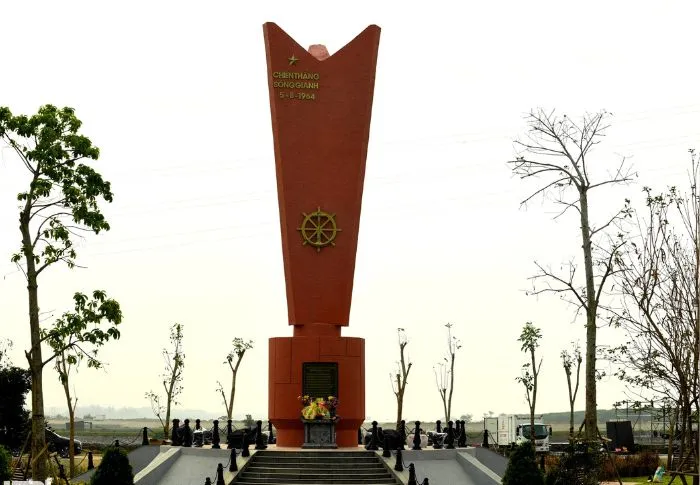
On 5 August 1964, the waters surrounding the Song Gianh River witnessed the first naval engagement fought by the Vietnam People’s Navy in coordination with local armed forces and civilians against American attacks. This victory became a major historical milestone, remembered as the “First Victory Battle”.
On this land, countless soldiers, youth volunteers, transport workers and civilians sacrificed their lives to ensure that wartime transport routes remained uninterrupted. For this reason, Song Gianh Ferry came to be known by the deeply symbolic and tragic name: the “Fire Coordinates”.

The legacy of the “No-number Ships” on the Song Gianh River
Beyond its role in overland transport, Song Gianh Ferry was also one of the departure points for the first “No-number Ships” operating along the Hồ Chí Minh Sea Trail.
These double-bottomed wooden vessels secretly transported weapons, food supplies and military equipment from northern Vietnam to the southern battlefield through storms, rough seas and enemy blockades.
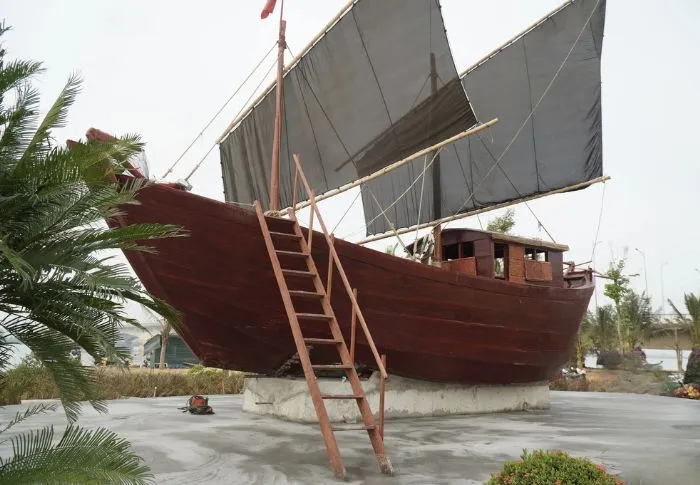
Today, visitors to the memorial site can see a reconstructed replica of a no-number ship built to near full scale, measuring approximately 13.5 metres in length and weighing nearly 20 tonnes. Resting quietly beside the river, the vessel stands as a symbol of intelligence, courage and the silent sacrifices made by those who operated along this legendary wartime transport route

What can visitors see at Song Gianh Ferry Memorial Site today?
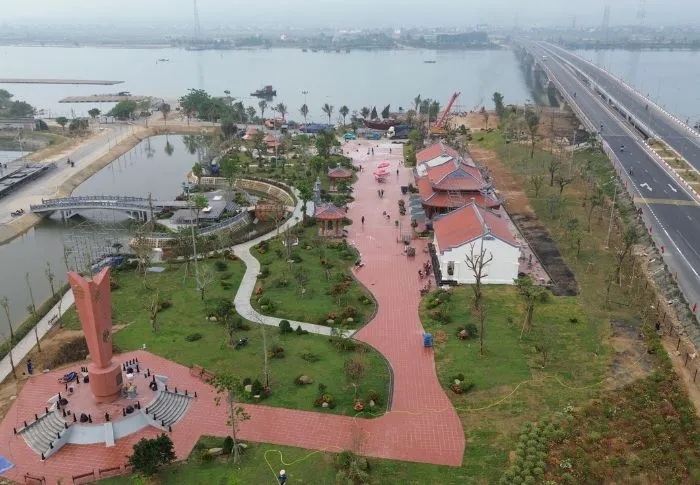
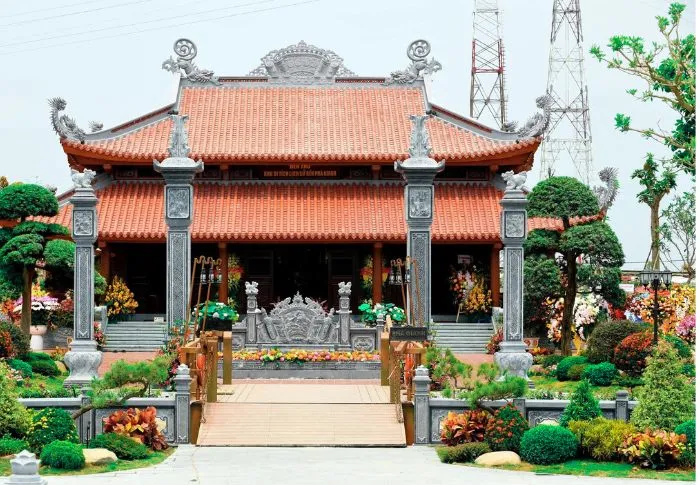
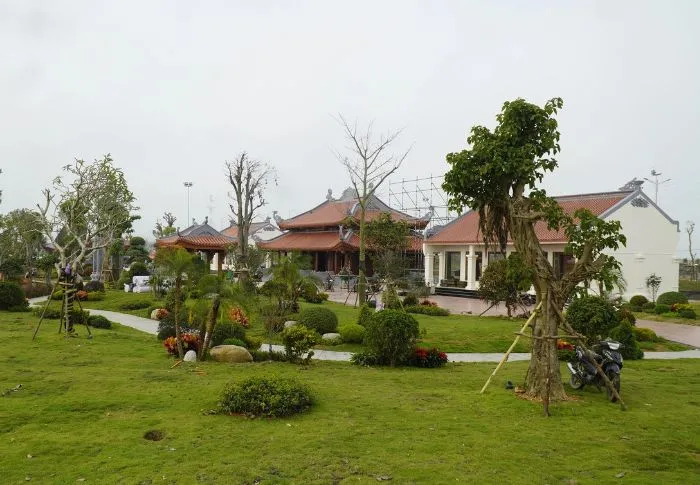
Following a large-scale restoration and redevelopment project completed in 2026, Song Gianh Ferry has taken on an entirely new appearance, becoming a memorial park that combines historical and spiritual tourism unique to Central Vietnam.
The entire memorial complex covers nearly three hectares and includes numerous important structures such as:
- A memorial temple dedicated to fallen heroes and martyrs
- A wartime exhibition hall
- A reception house
- A crescent bridge inspired by Gianh Bridge
- Replicas of the iron ferry and no-number ships
- Riverside green spaces and landscaped gardens
One particularly distinctive feature is that the entire architectural layout faces towards the sea and the Song Gianh River as a tribute to history.
Walking through this solemn space, visitors encounter not only stone and timber structures, but also a lingering sense of sacredness and the enduring memories of a heroic past that still echo along the historic river

Historical and educational significance of Song Gianh Ferry
Song Gianh Ferry is not merely a wartime relic; it is also an important “red address” – a place of profound educational value for younger generations today.
The memorial site serves as a reminder of:
- the sacrifices made by thousands during the war
- the resilient spirit of protecting the nation
- Vietnam’s aspiration for peace
- the enduring moral tradition of remembering those who came before us
Through activities such as guided visits, incense offerings and historical interpretation, the site has become a meaningful destination for students, veterans and travellers interested in Vietnam’s wartime history.
In particular, the 2026 political-art performance programme “Epic on the River” helped revive memories of the “fire and flowers” era once associated with the Song Gianh
Travel tips for visiting Song Gianh Ferry Memorial Site
The best times to visit Song Gianh Ferry are early in the morning or late in the afternoon, when soft sunlight reflects gently upon the river, creating a peaceful and emotional atmosphere.
Visitors should allow approximately one to two hours to:
- explore the memorial grounds
- visit the exhibition hall
- offer incense at the memorial temple
- learn about the no-number ships and Vietnam’s First Naval Victory Battle
Historical travel routes in the former Quảng Bình region that can be combined with Song Gianh Ferry include:
- Vũng Chùa – Yến Island
- Ngang Pass
- Đồng Hới city, including Đồng Hới Citadel, Quảng Bình Quan, the Mother Suốt Monument, Hồ Chí Minh Square and the Quảng Trị Museum
- Tám Cô Cave
- Road 20 Quyết Thắng
- Long Đại Ferry Memorial
- General Võ Nguyên Giáp Memorial House
This journey is especially suitable for travellers interested in history, heritage education and deeper exploration of Central Vietnam’s wartime transport route.

Song Gianh Ferry – More than just a historical site
Today, the sounds of bombs and warfare have long faded from the Song Gianh River. The wartime ferries survive only in memory. Yet within the calm and reflective atmosphere of the memorial site, visitors can still feel the unmistakable presence of history.
Song Gianh Ferry Memorial Site is far more than a place preserving wartime artefacts. It reminds every Vietnamese person of the value of peace and of those who sacrificed their lives amidst fire and destruction so that the country could have the future it enjoys today.
Along this river once marked by division and suffering, peace has now blossomed. And Song Gianh Ferry continues quietly telling the story of patriotism, national memory and a resilient Vietnam that endured war in order to move towards the future.
Phong Việt